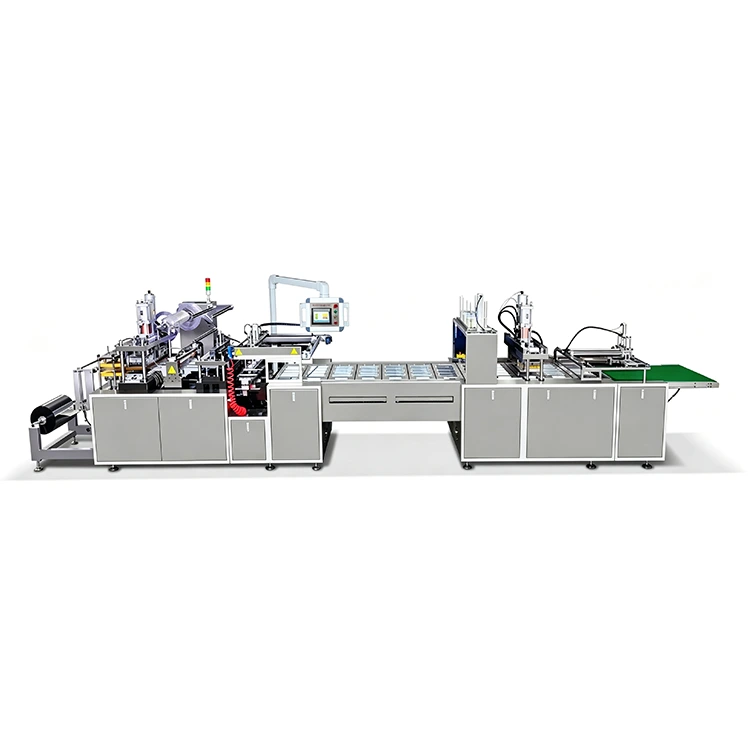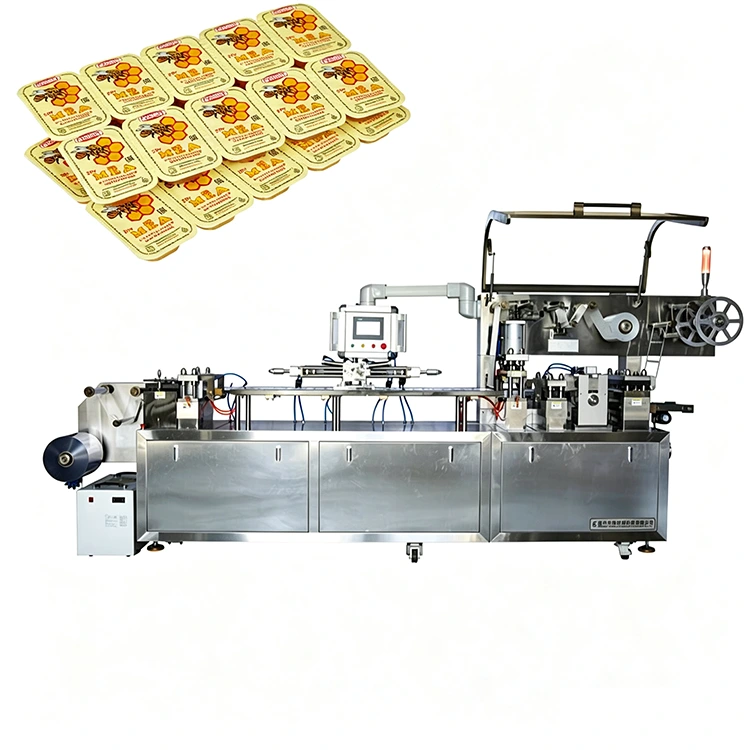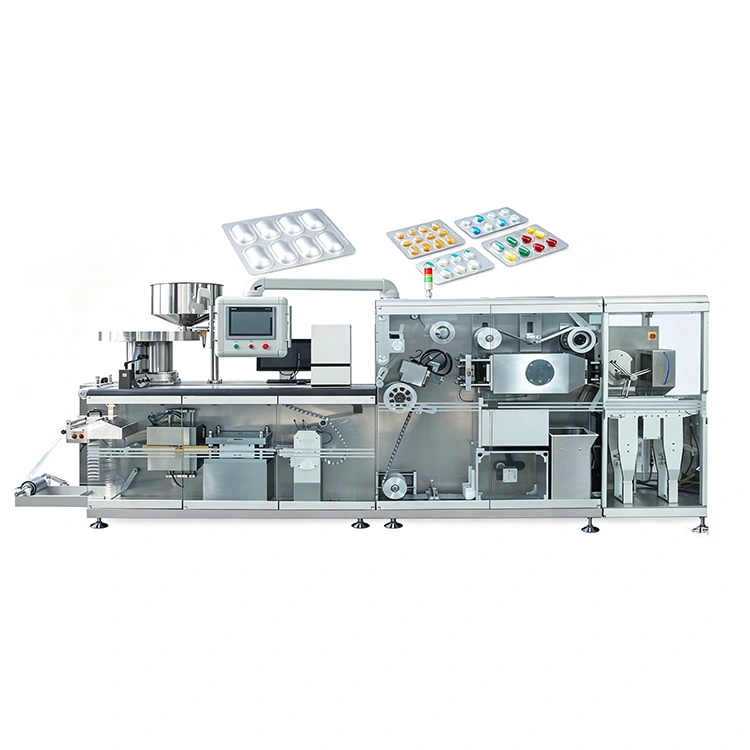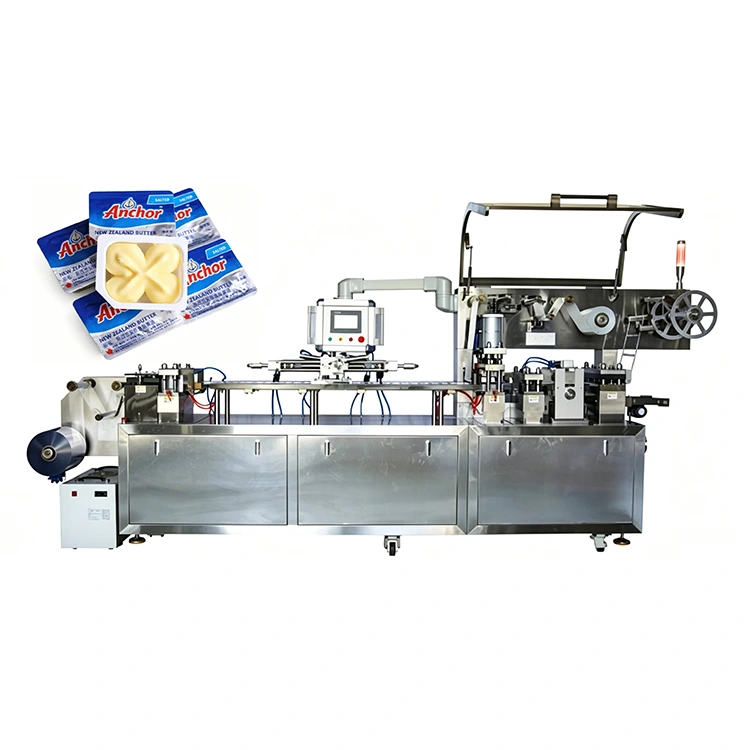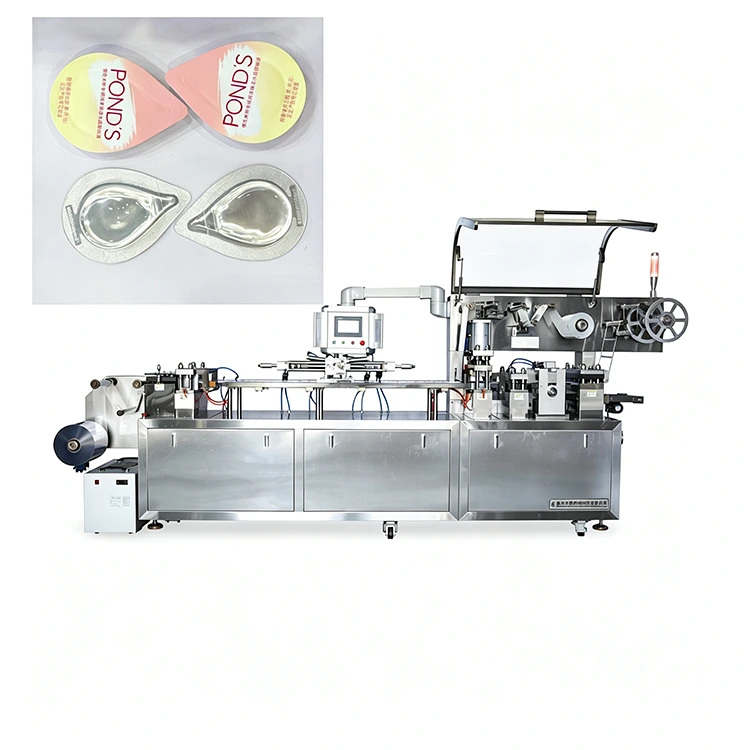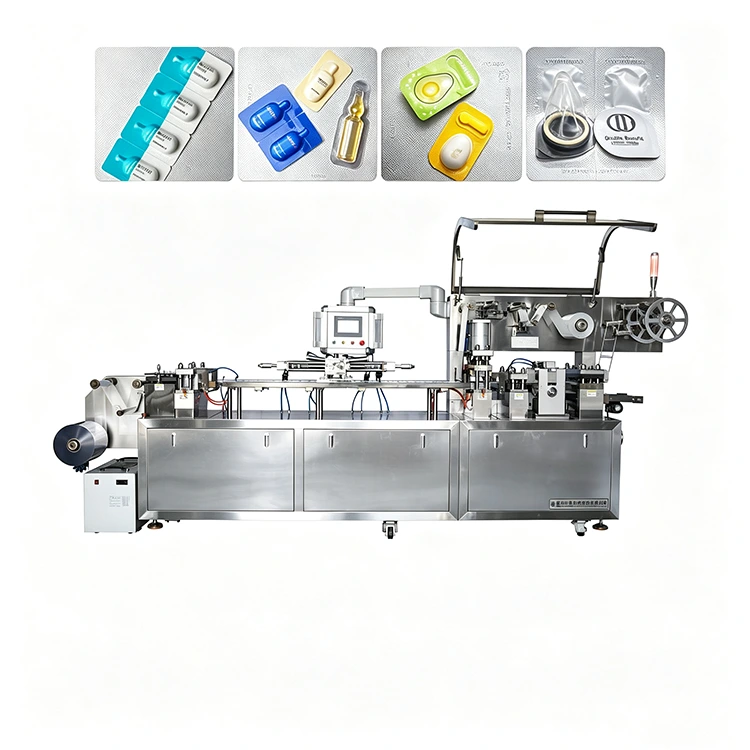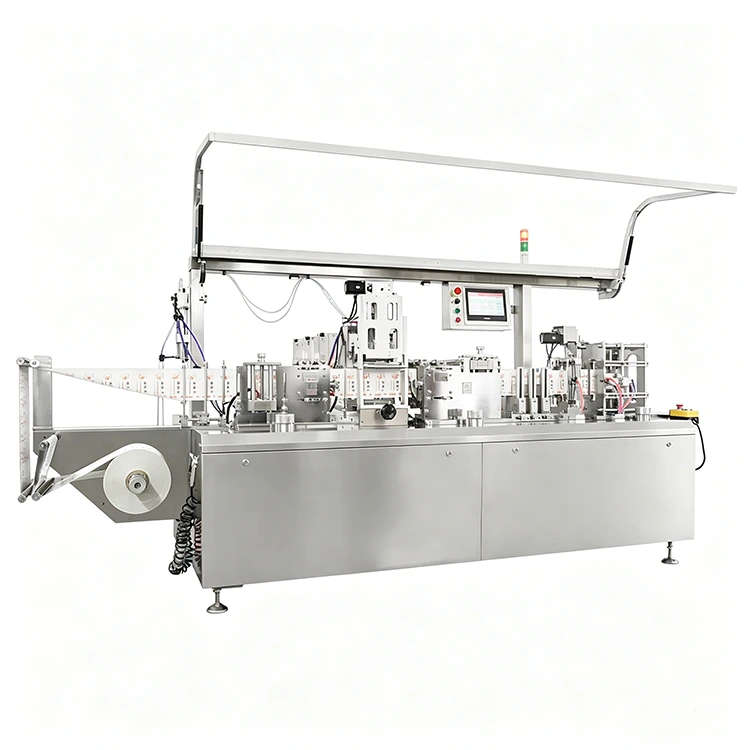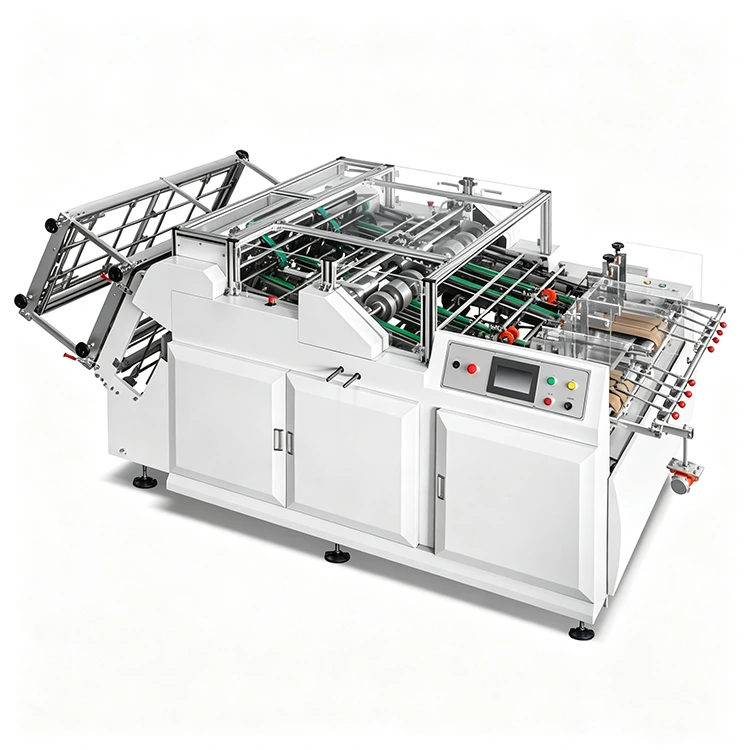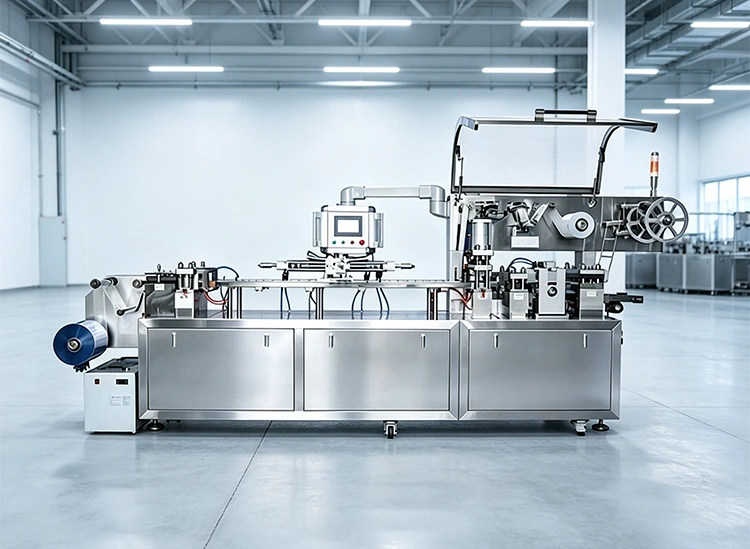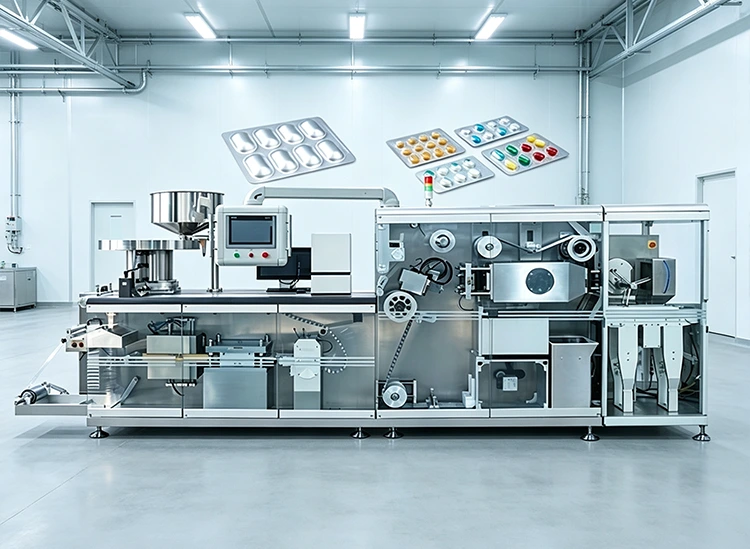

Automatic Blister Machines represent a critical advancement in pharmaceutical, nutraceutical, food, and consumer goods packaging. These systems form, fill, and seal blister packs in a continuous, automated cycle, dramatically reducing labor costs while improving output consistency and hygiene. KEDE has engineered a range of blister machines that combine precision mechanics, intelligent controls, and robust construction to meet the demands of high-volume production environments. Each KEDE unit is built to handle a wide variety of blister formats, from standard push-through pharmaceutical packs to complex cold-form aluminum structures.
Modern automatic blister machines integrate multiple stations into one seamless workflow: heating and forming, product feeding, sealing, coding, perforating, and cutting. KEDE systems use servo-driven indexing and PLC-controlled operations to achieve repeatable accuracy at speeds that manual or semi-automatic equipment cannot match. The result is a packaging line that delivers uniform cavity depth, consistent seal integrity, and clean separation of individual blister cards. For manufacturers seeking compliance with GMP, FDA, or EU pharmaceutical directives, KEDE machines provide the documentation, material traceability, and validation support required in regulated markets.
KEDE has spent over two decades refining automatic blister machine technology. The company’s engineering philosophy centers on three principles: mechanical stability, easy changeover, and data-driven operation. Every KEDE automatic blister machine undergoes rigorous factory acceptance testing before shipment, including dry-run cycles, temperature mapping on the forming station, and seal integrity checks. This approach minimizes startup time at the customer’s facility and reduces the risk of unexpected downtime during the first production weeks.
One of the primary advantages of a KEDE automatic blister machine is its modular design. The forming station, sealing station, and punching station are configured as independent modules, allowing quick replacement of tooling without realigning the entire machine. Changeover from one blister size to another can be completed in as little as 30 minutes with properly trained operators. The touchscreen interface stores up to 100 recipes, each containing parameters for temperature, film tension, cycle speed, batch coding, and alarm thresholds. This recipe management system drastically reduces setup errors and supports repeatable production across multiple shifts.
KEDE machines handle a broad spectrum of base films and lidding materials. Common base films include rigid PVC from 0.15 mm to 0.60 mm thickness, PVDC-coated PVC, PCTFE laminates, PP, PET, and aluminum cold-form laminates. Lidding materials include heat-seal lacquered aluminum foil, paper-backed foil, polyester foil, and Tyvek.
Selection begins with the maximum blister size and desired output. If your blister format does not exceed 150 mm by 110 mm and your speed requirement is high, the DPP-150 is usually appropriate. For mid-size pharmaceutical blisters up to 250 mm by 160 mm, the DPP-250 offers a balance of speed and flexibility. When packaging large medical devices or multi-cavity household products, the DPP-320 provides the largest forming area and deepest draw.
Routine maintenance for a KEDE automatic blister machine includes daily cleaning of product-contact surfaces, weekly inspection of sealing rollers and forming plugs, monthly lubrication of linear guides and bearings, and quarterly calibration of temperature sensors and pressure transmitters.
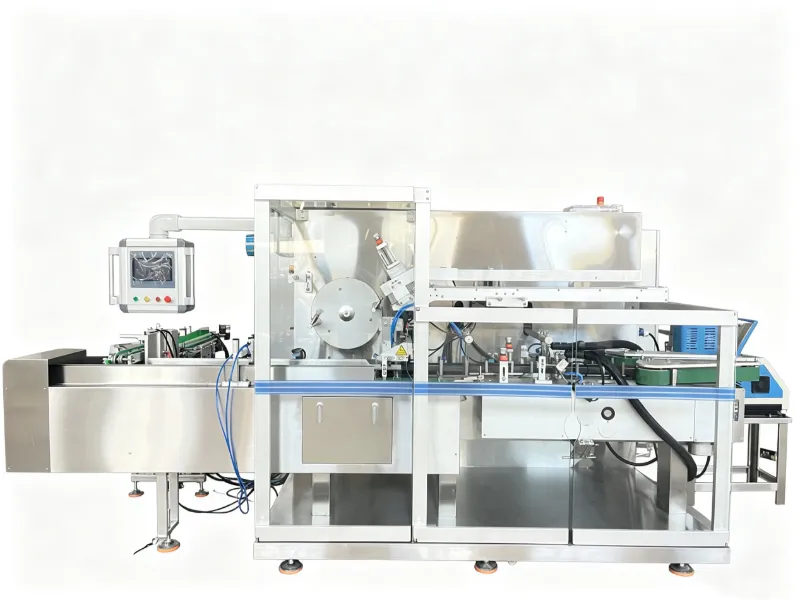
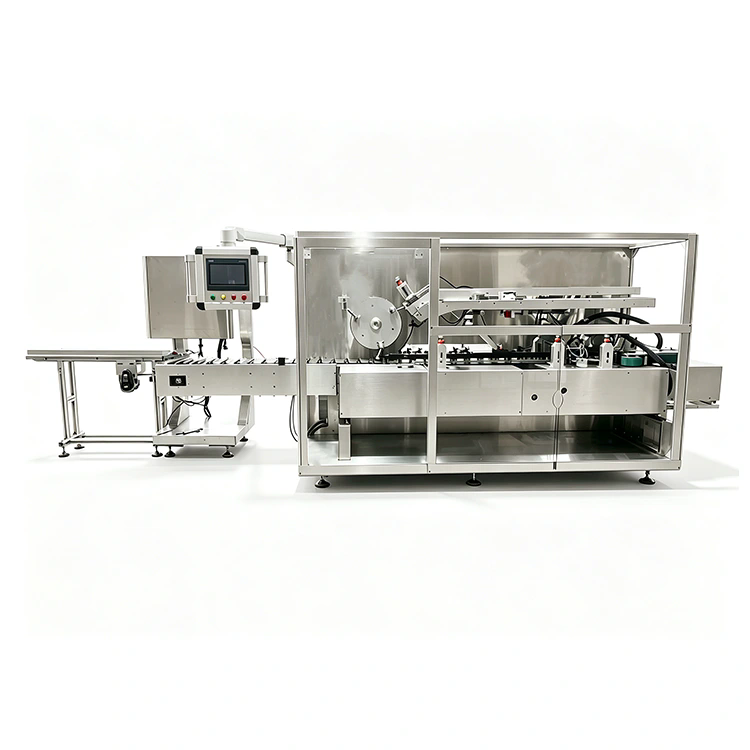
Yes. KEDE machines are designed as part of a complete packaging line. They can be directly connected to automatic cartoning machines through a discharge conveyor that transfers blister cards in a continuous stream.
KEDE maintains regional spare parts warehouses in key markets to support fast delivery of standard components. Each automatic blister machine ships with a recommended spare parts kit that includes sealing rollers, forming plugs, cutting punches, belts, sensors, and fuses. Parts can be ordered through the KEDE service portal with part numbers referenced in the machine manual.