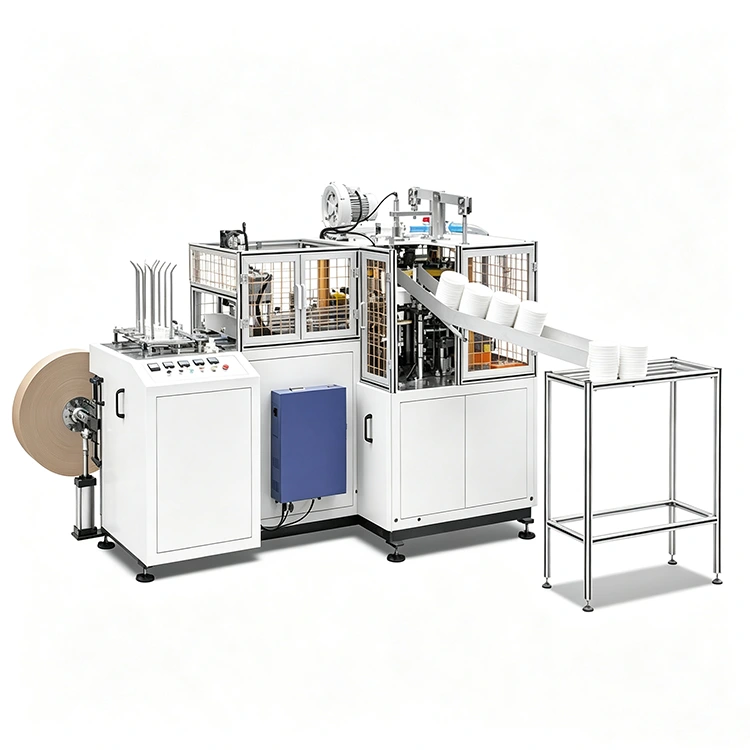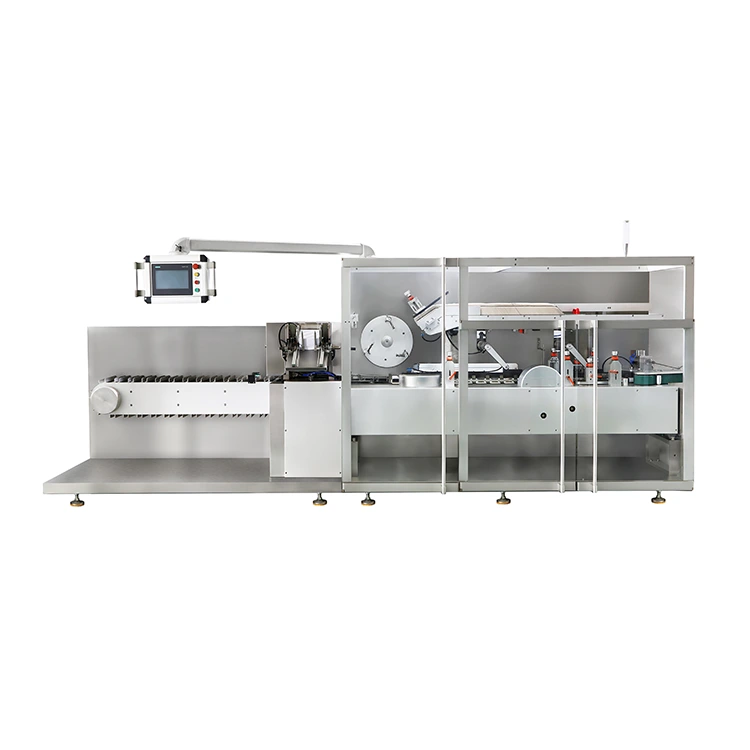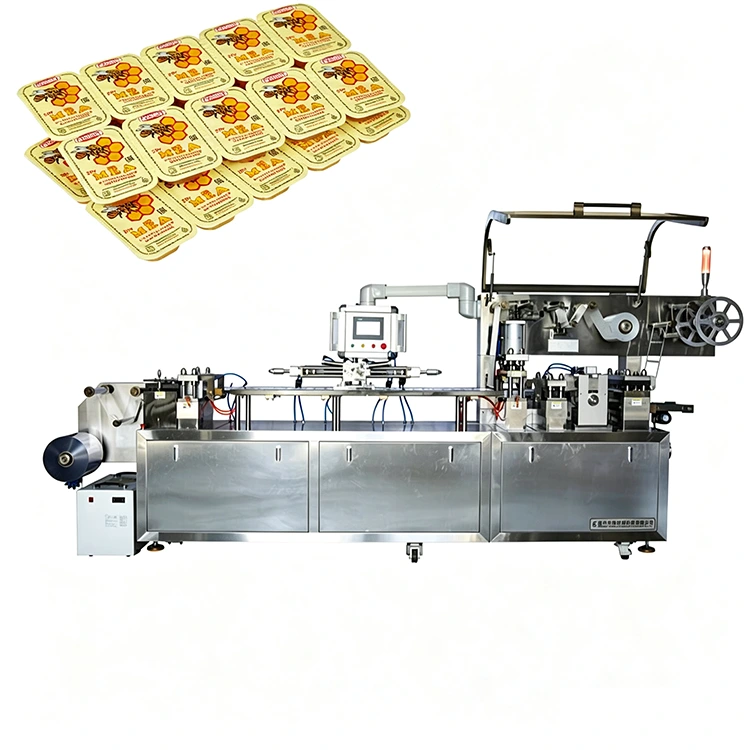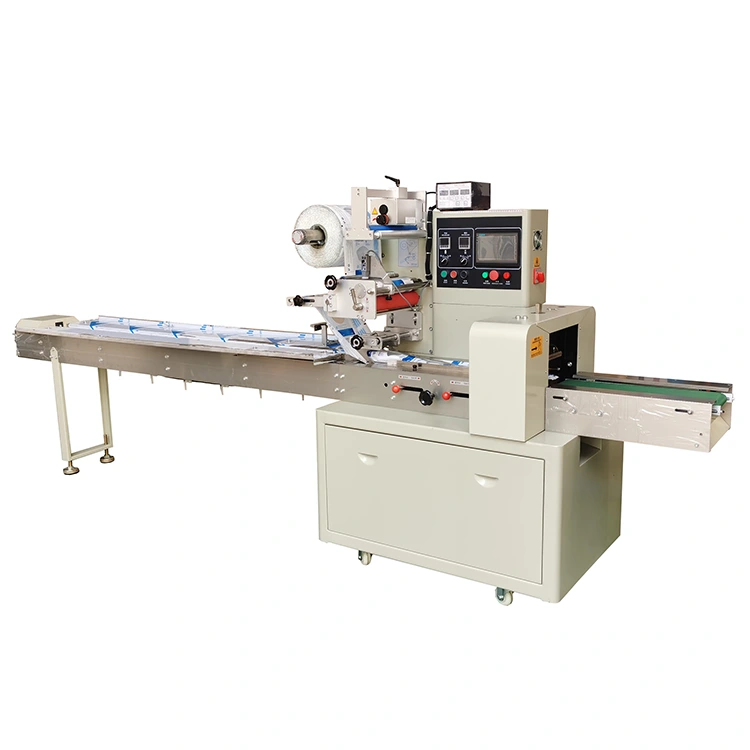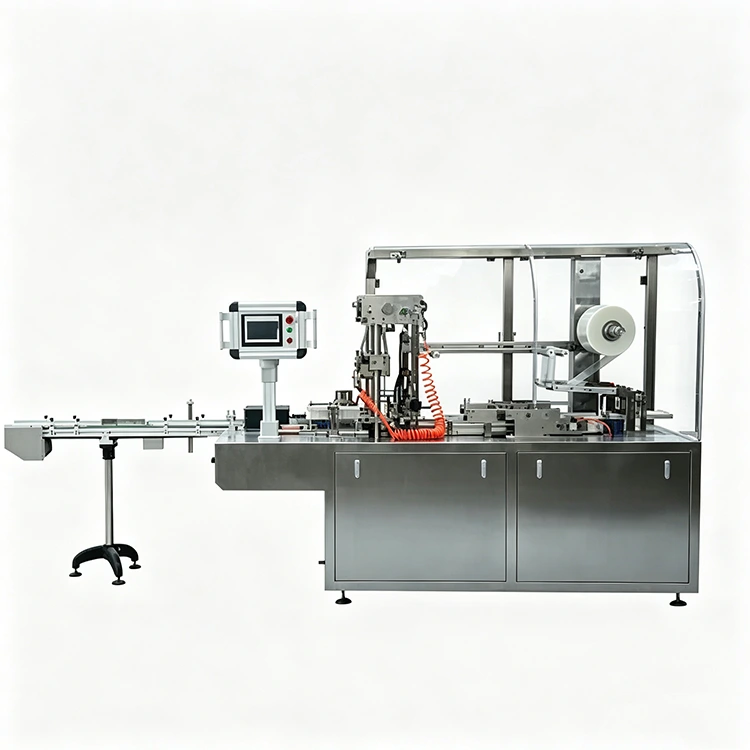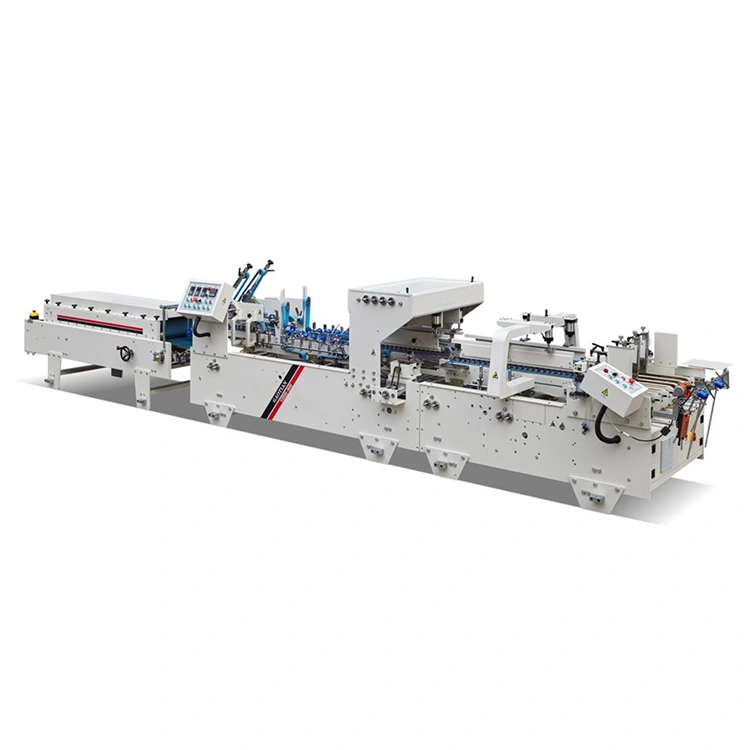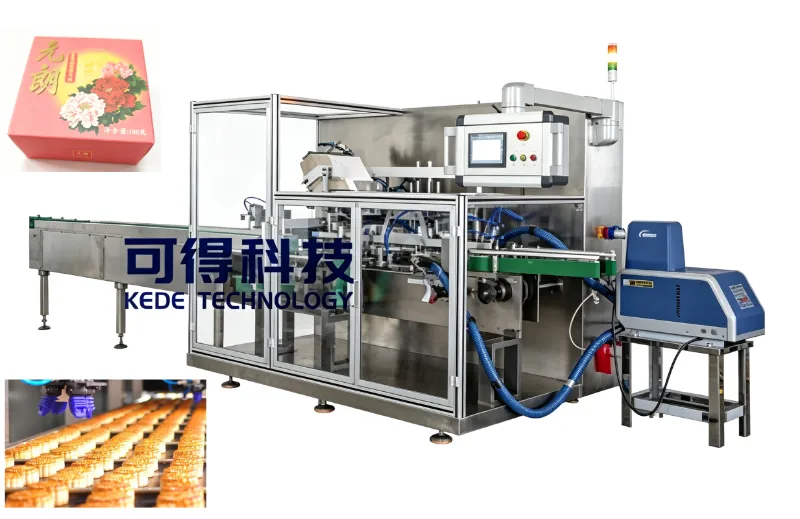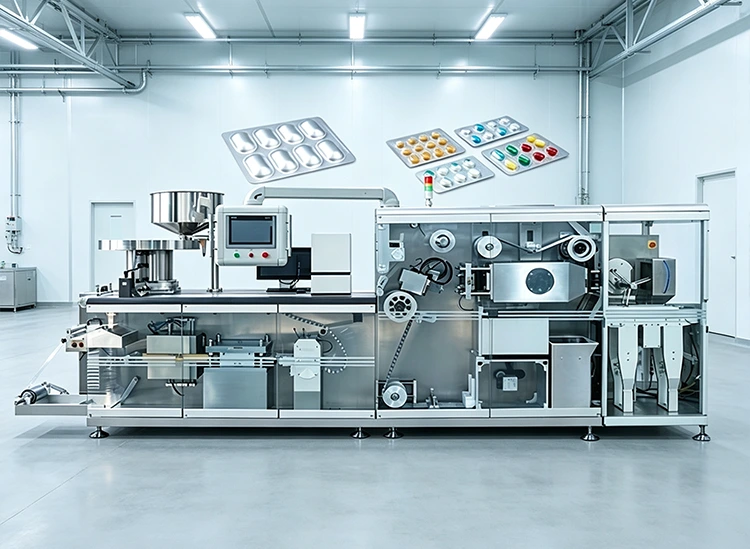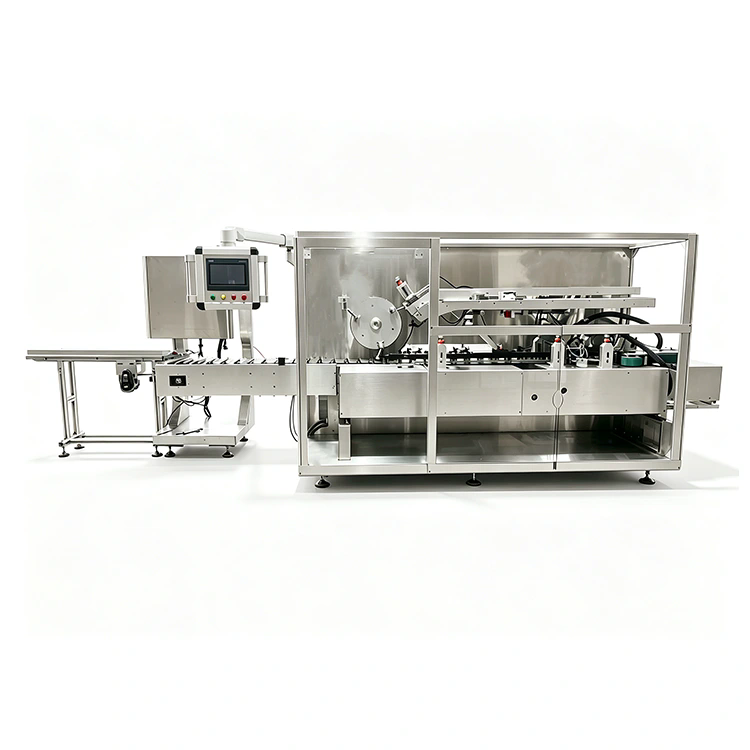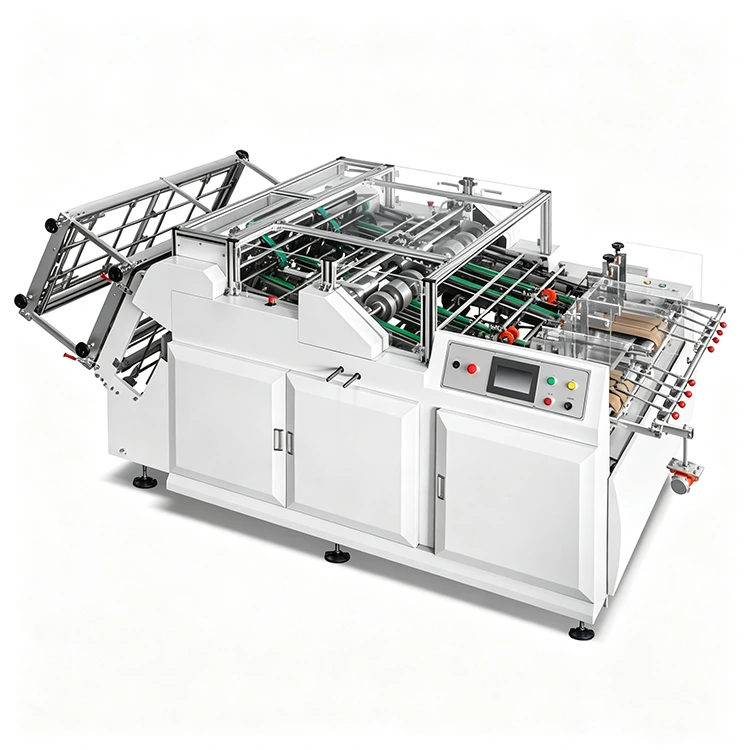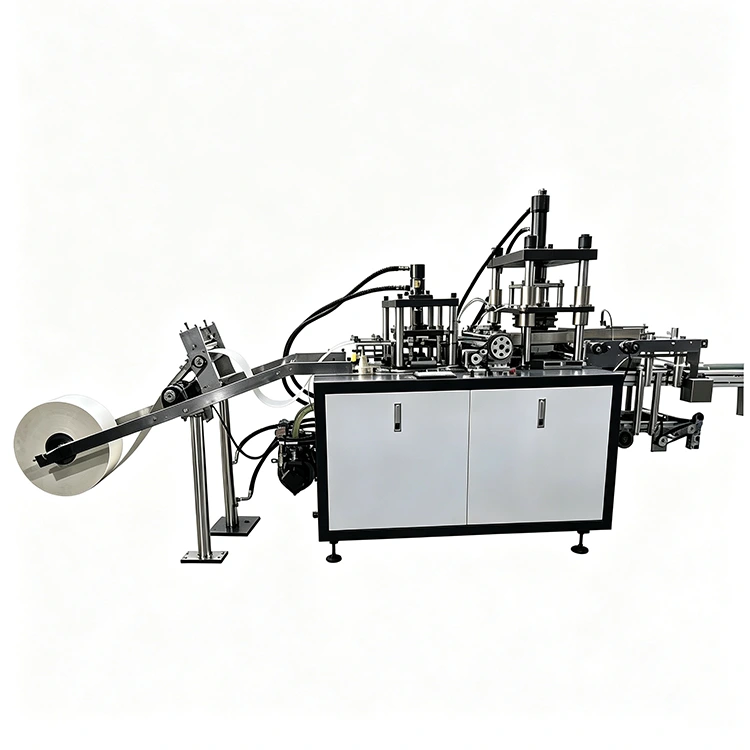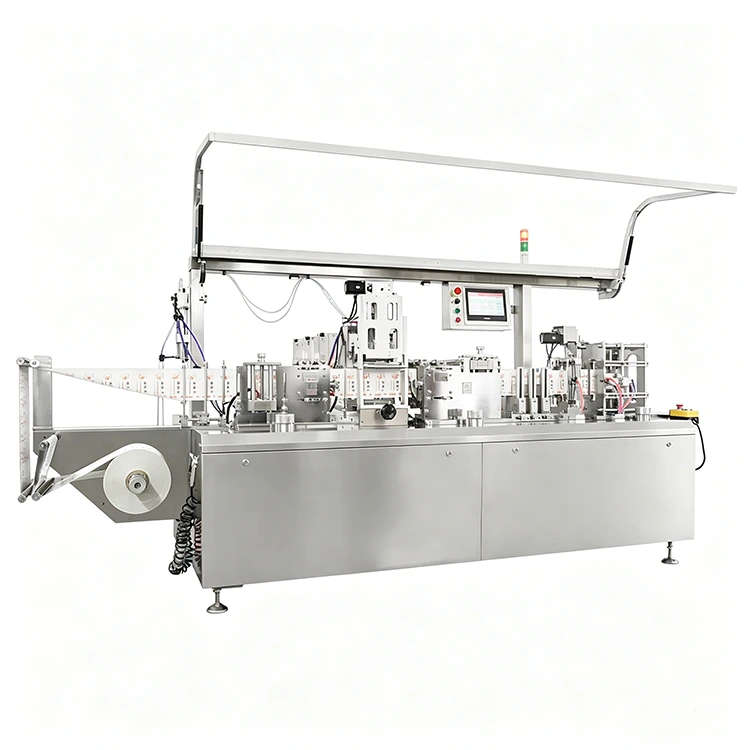

Automatic Single Sachet Wet Wipe Machine technology is becoming an important solution for manufacturers that need hygienic, consistent, and scalable individual wipe packaging. KEDE develops automated packaging equipment capable of integrating fabric unwinding, folding, liquid filling, cutting, sachet forming, and heat sealing into one continuous production process.
Article Summary: Individually packed wet wipes require more than simple pouch packaging. The wipe must be accurately folded, evenly wetted, correctly positioned, and completely sealed without contaminating the sealing area. Modern automated equipment addresses these requirements by coordinating material feeding, folding, liquid dosing, cutting, forming, and sealing. Depending on the application, production configurations can support W-fold or Z-fold structures, three-side or four-side sealing, multiple packaging-film structures, and different liquid filling requirements. This guide explains how the equipment works, which technical factors matter during selection, and how manufacturers can choose a configuration that matches product size, material, liquid, package format, and production capacity.
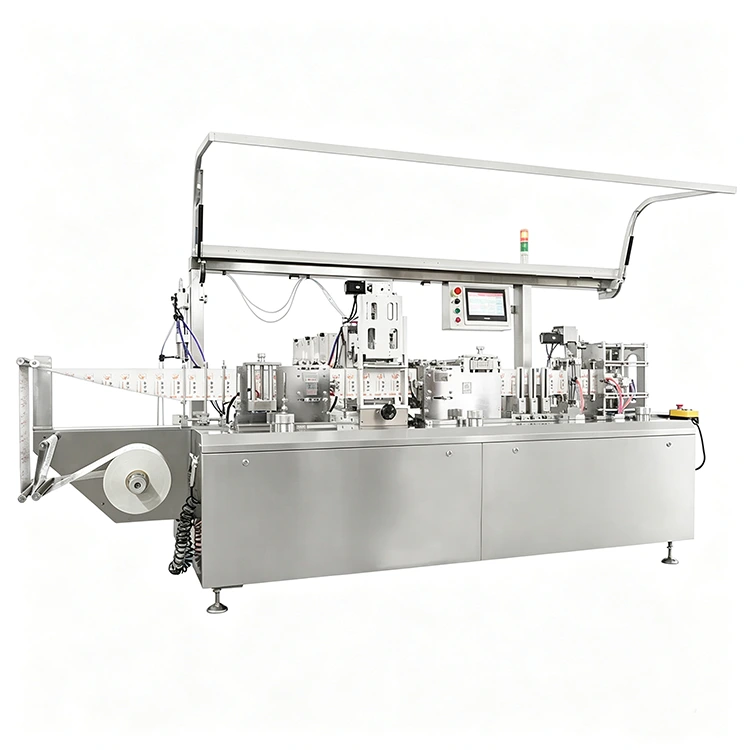
Table of Contents
- Why Is Single Sachet Wet Wipe Packaging Important?
- How Does the Automatic Packaging Process Work?
- What Are the Key Technical Features?
- What Specifications Should Buyers Compare?
- Where Can Individually Packed Wet Wipes Be Used?
- How Should Manufacturers Select the Right Machine?
- What Are the Main Production Advantages?
- Frequently Asked Questions
Why Is Single Sachet Wet Wipe Packaging Important?
Single sachet packaging gives manufacturers a practical way to supply one pre-moistened wipe in a compact, hygienically protected package. Unlike bulk wet wipe packaging, every wipe is individually enclosed, which is particularly useful when the product is intended for immediate use outside the home, factory, clinic, hotel, restaurant, or other controlled environment.
The packaging process must maintain consistency at several stages. The substrate needs to be folded into the intended dimensions, the correct quantity of liquid must be applied, and the sachet must be sealed securely. At the same time, the sealing area should remain sufficiently clean to support reliable package integrity.
For this reason, automation can provide advantages beyond simple labor reduction. A properly configured production line can coordinate several operations in sequence and reduce variations caused by manual handling.
- Consistent wipe folding and positioning
- Controlled liquid dosing
- Accurate individual sachet formation
- Reliable three-side or four-side sealing
- Continuous production with reduced manual intervention
- Flexible packaging options for different market requirements
How Does the Automatic Packaging Process Work?
The basic production concept combines several operations into a continuous workflow. Although the final configuration varies according to the product, a typical process can be understood through the following stages.
1. Material Unwinding
Wet-strength paper or nonwoven material is supplied from a roll. The feeding mechanism unwinds the substrate at a controlled speed so that downstream folding and cutting remain synchronized.
2. Wipe Folding
The material is folded into the required configuration before individual sheets are separated. W-fold and Z-fold arrangements are among the available options, while customized folding patterns can be considered for specific finished wipe dimensions.
3. Liquid Filling
The selected liquid is introduced according to the required dosage. Depending on the configuration, the filling range can cover applications such as moisturizing solutions, disinfectants, alcohol-based liquids, and cosmetic essences. Liquid viscosity and chemical characteristics should be considered when selecting the filling system.
4. Cutting and Sachet Forming
The continuous wipe material is divided into individual pieces and transferred into the packaging section. Packaging film is then formed around the prepared wipe according to the specified sachet dimensions.
5. Heat Sealing
The package is sealed to create a closed individual sachet. Three-side and four-side sealing formats can be selected according to the package structure, opening method, and product requirements.
6. Finished Product Collection
After sealing, the finished sachets can be collected or connected with downstream handling equipment. Printing, easy-open features, and other packaging functions may also be integrated depending on the production design.
What Are the Key Technical Features?
When evaluating an Automatic Single Sachet Wet Wipe Machine, buyers should look beyond nominal speed. The most important question is whether the machine can maintain stable performance with the actual wipe material, liquid, film, sachet size, and folding structure required by the product.
| Technical Factor | Typical KEDE Configuration | Why It Matters |
|---|---|---|
| Packaging Speed | About 110–150 pcs/min for a KDP250 wet wipe configuration | Determines production capacity and line efficiency |
| Liquid Filling | 0–5 ml for the KDP250 wet wipe configuration | Helps match dosage to wipe size and application |
| Folding | W/Z folding; up to 10 vertical and 4 horizontal folds depending on configuration | Allows different finished wipe formats |
| Sealing | Three-side, four-side, or customized | Supports different package designs and opening methods |
| Wipe Material | 30–80 g/m² wet-strength paper and nonwoven materials | Determines feeding, folding, wetting, and cutting performance |
| Package Size | Approximately 40–140 mm long and 40–110 mm wide for KDP250, or customized | Ensures compatibility with the finished sachet design |
Actual performance depends on the selected machine model, product specifications, material characteristics, and production configuration. Therefore, buyers should confirm technical parameters with the equipment manufacturer before finalizing an order.
What Specifications Should Buyers Compare?
Selecting packaging equipment according to speed alone can create problems later. A more reliable approach is to evaluate the complete product profile before requesting a quotation.
Wipe Dimensions and Folding Pattern
Provide both unfolded and folded wipe dimensions. These measurements directly influence the folding mechanism, cutting position, sachet dimensions, and material path.
Liquid Type and Filling Volume
Alcohol, disinfectant, cleansing solution, and cosmetic essence can have different physical and chemical characteristics. Filling volume and viscosity should therefore be confirmed before machine configuration.
Packaging Film
Common structures can include PET/AL/PE, PET/PE, Paper/PE/AL/PE, BOPP/PE/AL/PE, and PET/AL/NY/PE. The appropriate film depends on sealing requirements, barrier performance, product compatibility, and package appearance.
Required Production Capacity
Manufacturers should define the required output in pieces per minute or pieces per hour. This allows the equipment configuration to be matched with the actual production target instead of relying on an unsuitable theoretical speed.
Where Can Individually Packed Wet Wipes Be Used?
Individual wet wipes are particularly valuable where convenience, hygiene, and controlled single-use dispensing are important. The compact sachet format also makes transportation and distribution straightforward.
- Healthcare: alcohol wipes, disinfectant wipes, and other single-use cleaning products.
- Optical and electronics cleaning: lens wipes and wipes for small optical surfaces.
- Cosmetics: makeup remover wipes and compact facial cleansing products.
- Hospitality: individually packed wipes for hotels, restaurants, catering, and travel.
- Food service: single-use cleaning wipes supplied with meals, takeaway products, or service packages.
The final equipment configuration should be determined by the intended application because the wipe substrate, liquid, sachet dimensions, film, and sealing requirements can vary significantly between markets.
How Should Manufacturers Select the Right Machine?
A practical machine-selection process begins with the product rather than the equipment model. Before contacting a wet wipe packaging machine manufacturer, prepare the following information.
- Finished wipe dimensions: provide unfolded and folded measurements.
- Wipe material: identify whether the product uses nonwoven fabric, wet-strength paper, or another substrate.
- Liquid: specify liquid type, viscosity, and required filling volume.
- Sachet dimensions: provide required length, width, and package structure.
- Film structure: identify the preferred packaging-film construction.
- Sealing format: determine whether three-side, four-side, or a customized seal is required.
- Production target: state the expected pieces per minute or pieces per hour.
- Line integration: explain whether the machine needs to connect with existing conveyors or downstream equipment.
For unusual wipe shapes or special folding requirements, product samples, photographs, or short production videos can also help engineers understand the application more accurately.
What Are the Main Production Advantages?
Integrated Production
Unwinding, folding, liquid filling, cutting, forming, and sealing can be coordinated within one automated process. This reduces the need for separate manual operations between major production stages.
Flexible Packaging Formats
Different sealing methods, folding patterns, film structures, and package dimensions allow manufacturers to develop products for multiple end-use markets without relying on one fixed package format.
Controlled Liquid Application
Accurate liquid dosing is important because insufficient wetting can affect product performance, while excessive liquid may increase leakage risk or interfere with sealing. A dedicated filling system helps manufacturers establish a more consistent dosage process.
Better Production Consistency
Automation helps synchronize material feeding and packaging operations. Once the machine is correctly configured and adjusted, repetitive production can be performed with less variation than a heavily manual process.
Compact Individual Packaging
Single sachets are easy to distribute and use. They can be incorporated into healthcare kits, hospitality services, travel products, cosmetic packages, and food-service applications where individual dispensing is preferred.
Frequently Asked Questions
What products can an Automatic Single Sachet Wet Wipe Machine produce?
It can be configured for individually packed wet wipes, alcohol wipes, lens cleaning wipes, makeup remover wipes, disinfectant wipes, and similar single-use products.
Can the machine produce four-side sealed sachets?
Yes. Four-side sealing can be configured for suitable applications, while three-side sealing and customized sachet formats are also available depending on the product design.
What types of liquid can be used?
The equipment can be configured for different liquids, including alcohol-based solutions, disinfectants, moisturizing liquids, cleansing solutions, and cosmetic essences. The filling system should be selected according to the liquid's viscosity and chemical characteristics.
Can the folding pattern be customized?
Yes. W-fold, Z-fold, and other folding arrangements can be considered according to the required finished wipe dimensions. Some configurations can support multiple vertical and horizontal folds.
What information is needed before requesting a quotation?
Manufacturers should normally provide the wipe dimensions, substrate, liquid type and filling volume, sachet size, film structure, sealing format, and target production capacity. This information allows the equipment configuration to be evaluated more accurately.
Is a sample required for machine selection?
A sample is not always mandatory, but it can be highly useful when the wipe has an unusual shape, special folding requirement, or non-standard material. Product photos or short production videos can also provide useful reference information.
Conclusion
Choosing the right Automatic Single Sachet Wet Wipe Machine is ultimately a product-engineering decision rather than a simple equipment purchase. Wipe dimensions, folding structure, liquid characteristics, film construction, sealing method, and production capacity all influence the final machine configuration. With integrated unwinding, folding, liquid filling, cutting, sachet forming, and heat sealing, automated equipment can provide a practical foundation for efficient individual wet wipe production. If you are planning a new wet wipe packaging line or upgrading an existing operation, KEDE can help evaluate your product requirements and develop a suitable packaging solution. For machine specifications, configuration recommendations, and project consultation, contact us with your wipe sample details, liquid information, sachet dimensions, and target output to discuss the right solution for your production needs.