
If you run a factory and you're still packing products into boxes by hand, you've probably heard people talk about "automatic cartoning machines." But what exactly are they? And do you really need one?
Let's break it down .At Kede Machinery, we've been building these machines for years, and we talk to factory owners every day who have the exact same questions. So here's our take.
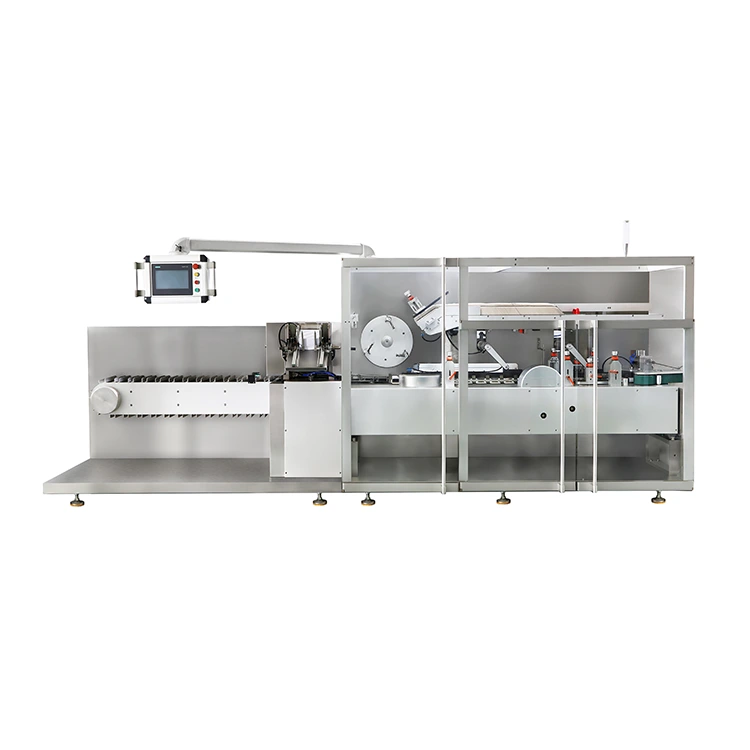
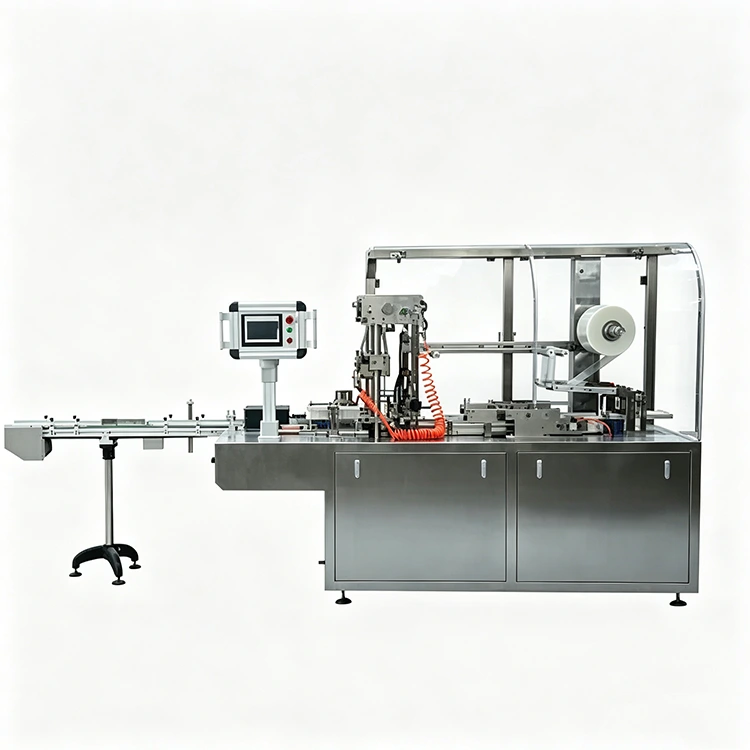
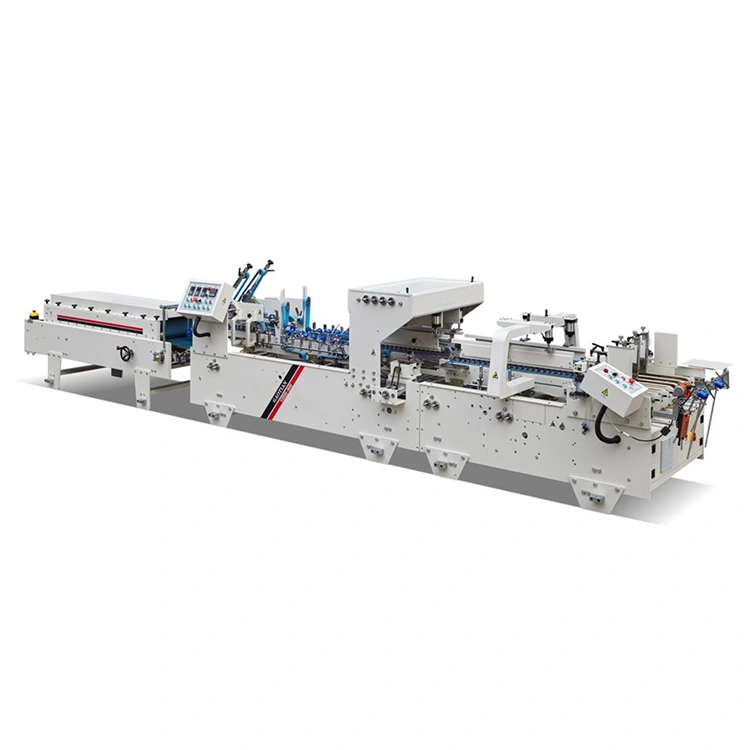
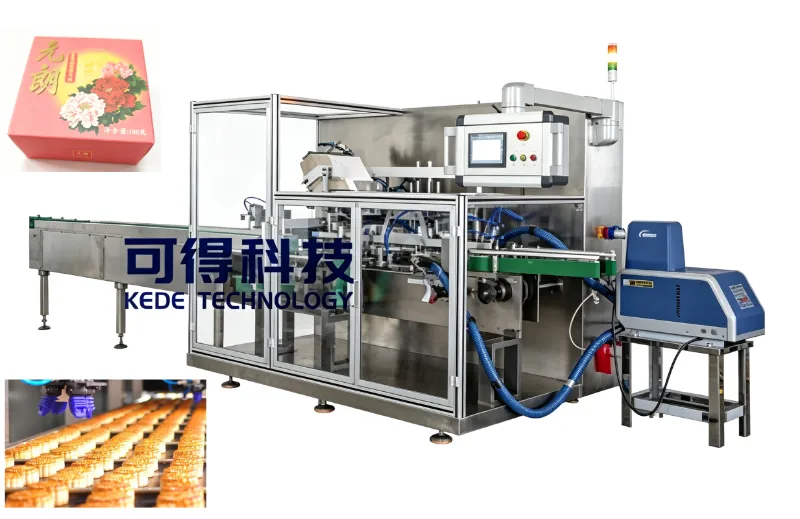
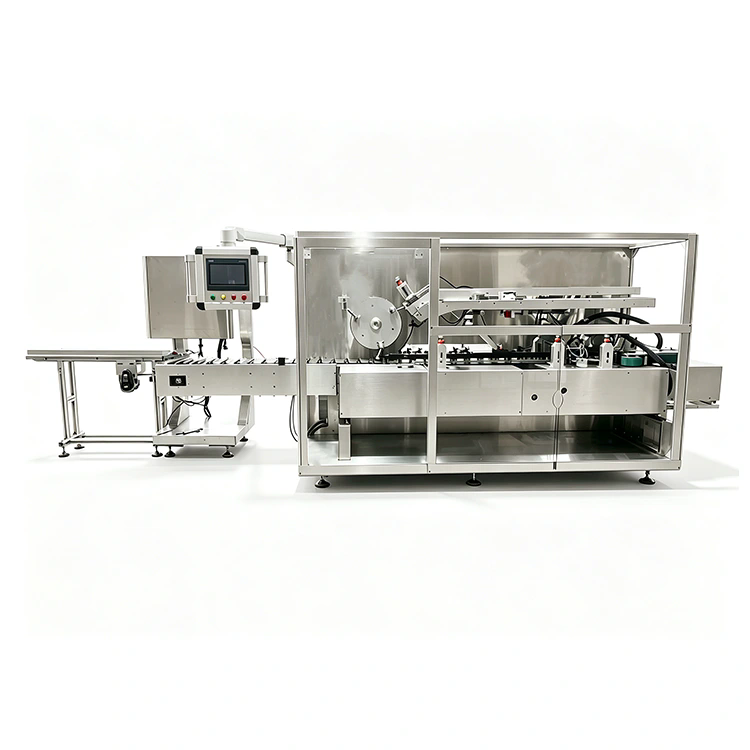
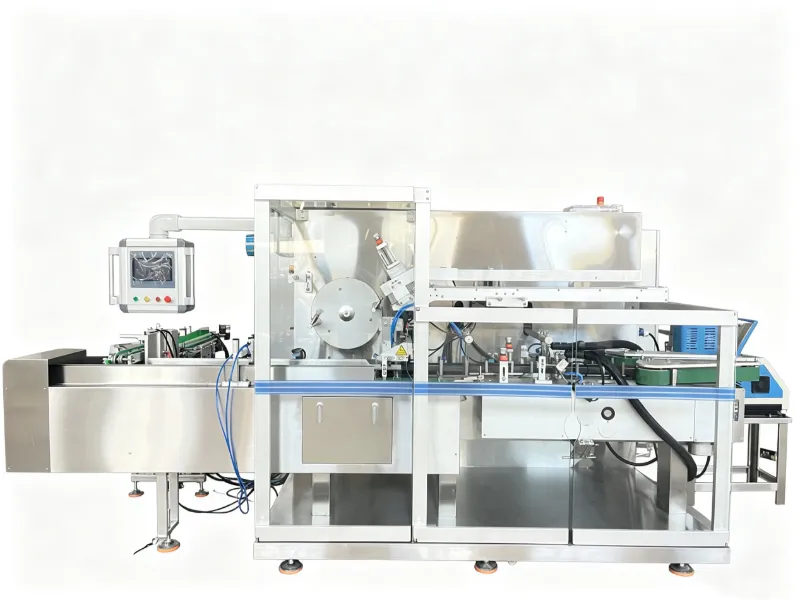
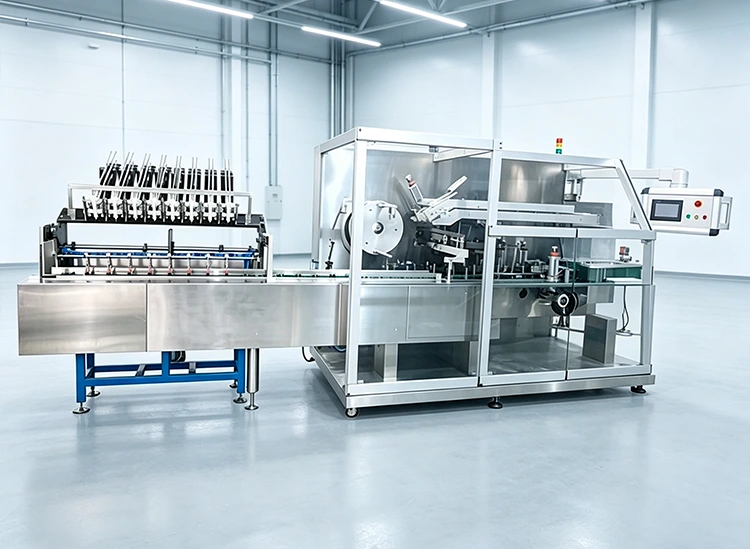
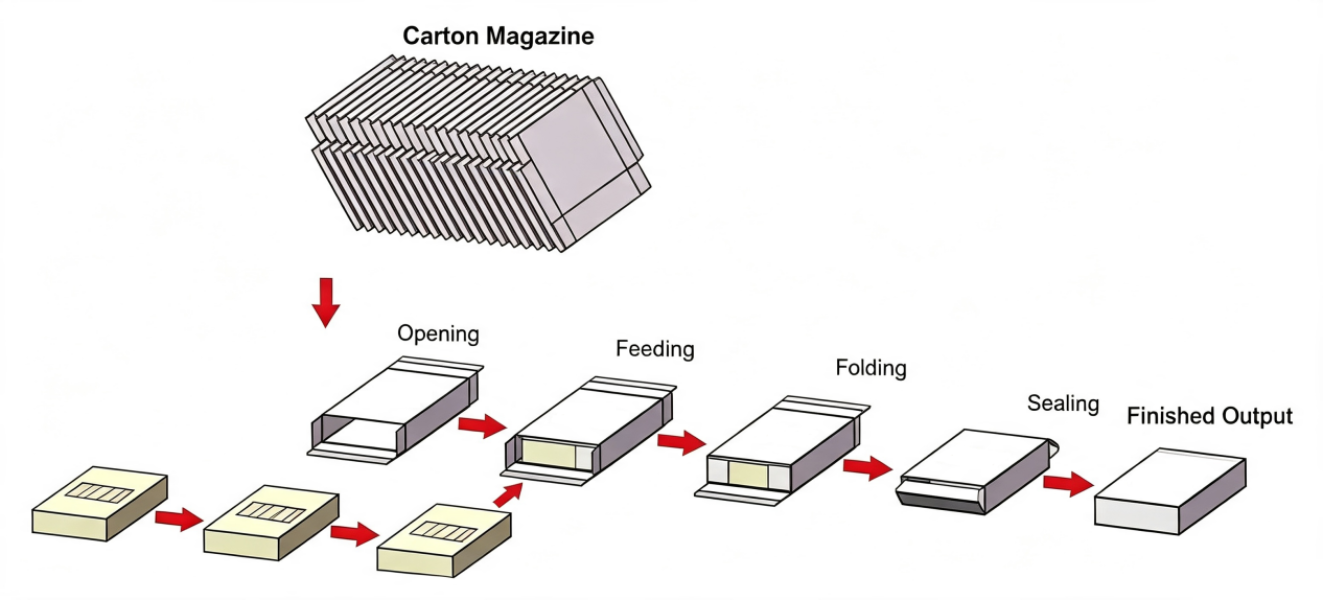
An automatic cartoning machine is a piece of equipment that folds, fills, and seals cardboard boxes — all by itself. You feed it flat, unfolded cartons (the kind that come in stacks), and the machine pops them open, puts your product inside, tucks in the flaps, and seals it shut. Start to finish, no hands needed.
Think of it like an assembly line that does the job of 3 to 5 people, but faster, steadier, and without coffee breaks.
Pretty much anything that fits in a box. From what we've worked with over the years, common examples include:
●Bottles (medicine, supplements, drinks)
●Sachets and pouches (coffee, seasoning, face masks)
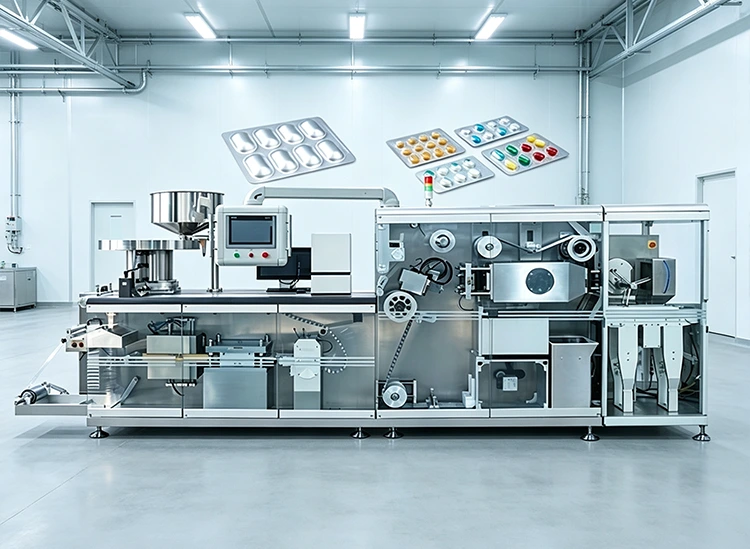
●Blister packs (tablets, capsules)
●Tubes (cream, glue, toothpaste)
●Small hardware items (screws, fittings, electronics)
Here's the step-by-step:
1.Hopper feeds the flat cartons — You load a stack of flattened boxes into the magazine.
2.Vacuum picks one up — A suction arm grabs one carton and opens it up.
3.Product gets pushed in — Your items are loaded into the open box, either manually by an operator or automatically from a feeding line.
4.Leaflet insertion (optional) — If your product needs a manual or instruction paper, the machine can drop it in too.
5.Flaps are folded and sealed — The machine tucks all the flaps and applies a dab of glue or does a tuck closure.
6.Finished box comes out — A neatly packed, sealed carton drops onto your conveyor belt, ready for labeling or palletizing.
All of this happens in just a few seconds.
Three main reasons:
Speed — A good machine can do 30 to 280 boxes per minute.Try matching that with human hands. One of our customers went from 15 boxes a minute manually to 60 with our machine. They couldn't believe it.
Consistency — Every box looks the same. Same fold, same seal, same quality. No loose flaps, no crooked products.
Cost — Yes, the machine costs money upfront. But over time, it saves you big time on labor. One machine replaces several workers, and it never calls in sick.
Yes. The two big categories are:
●Vertical cartoning machines — The carton stands upright and gets filled from the top. Good for products that need gentle handling.
●Horizontal cartoning machines — The carton lies flat and the product gets pushed in from the side. This is the most common type, especially for bottles, blister packs, and sachets.
Here's the thing — automatic cartoning machines aren't just for big corporations anymore. We've designed our models specifically with small to medium factories in mind. You don't need a massive production line to make one work.
We also offer semi-automatic models where an operator places the product, and the machine does the rest. It's a great middle step if you're not ready to go fully automatic. Plenty of our customers started with semi-auto and came back for the full auto a year later.
●Training — Your team needs to learn how to run and maintain it. That's why we always include onsite training with every delivery.
●Size changeovers — Switching between box sizes takes some adjustment. Our newer models make it easier with quick-change features.
●Carton quality matters — Cheap flimsy cartons cause jams. We always remind our clients: good cartons save headaches.
Ask yourself these three questions:
1.Packing more than 20 boxes a minute by hand?
2.Workers making mistakes or getting tired?
3.Struggling to keep up with big orders?
If you answered yes to any — it's worth a serious look. We've seen it pay off for factories of all sizes.