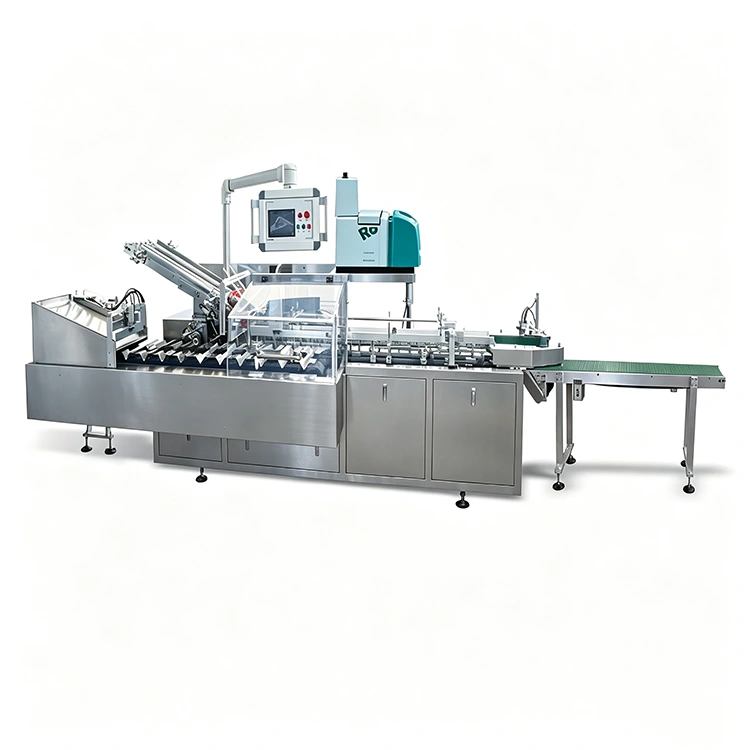
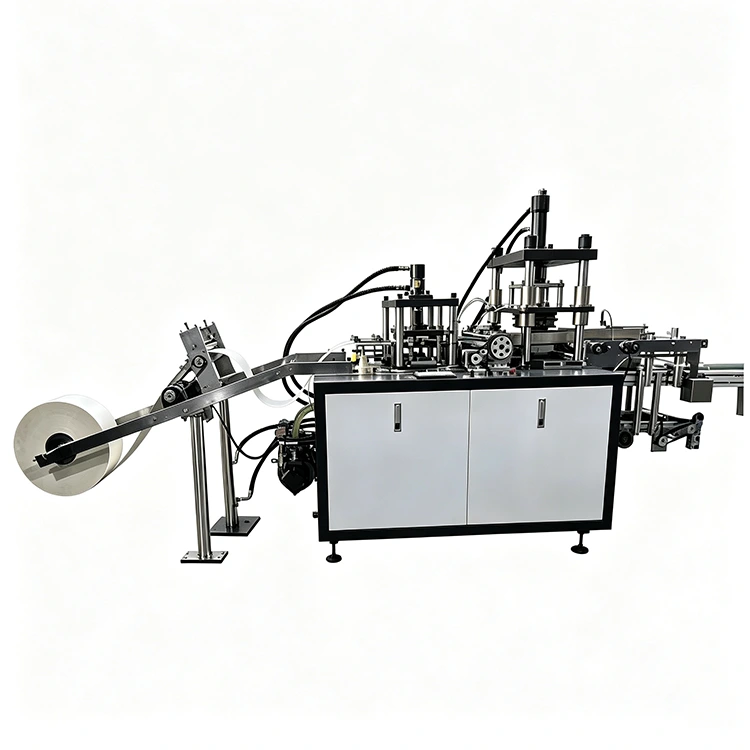
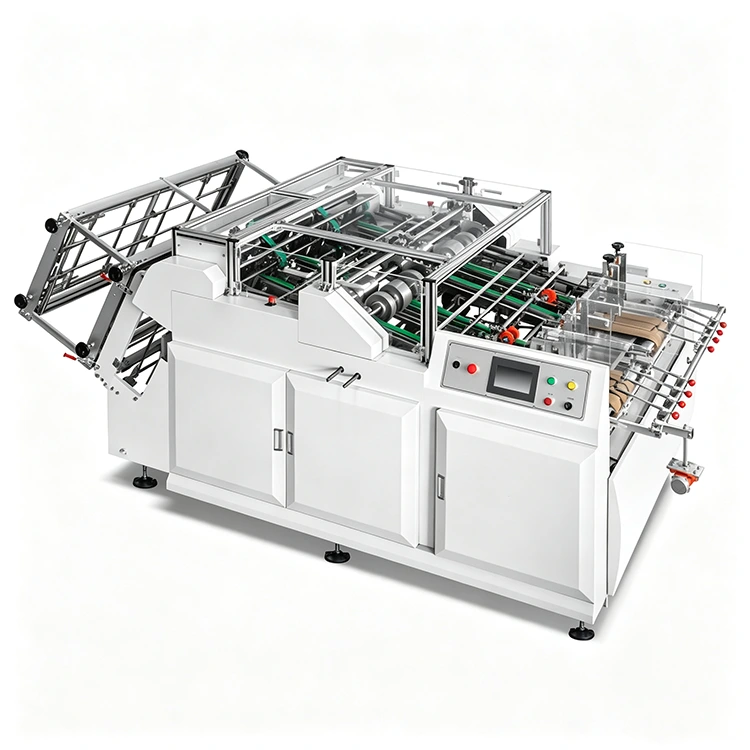
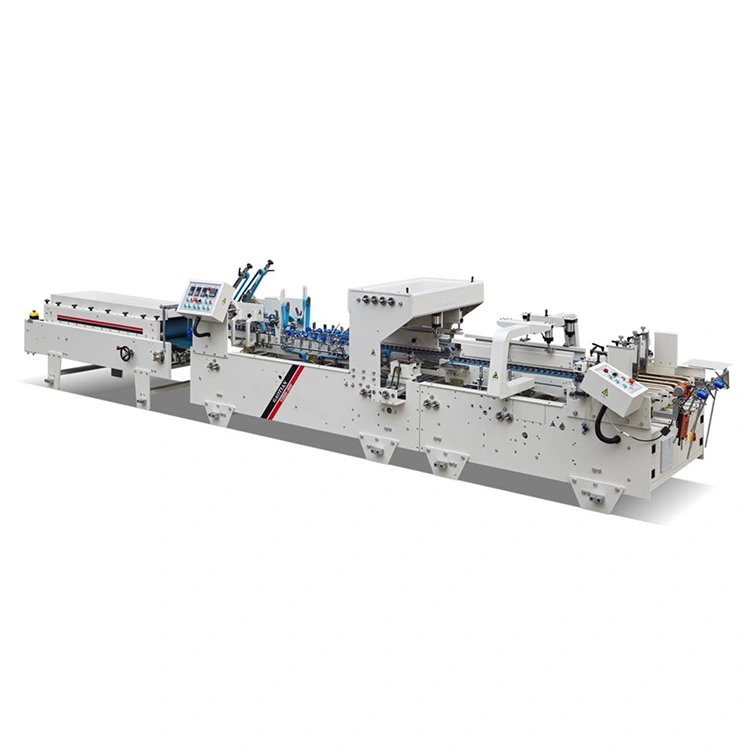
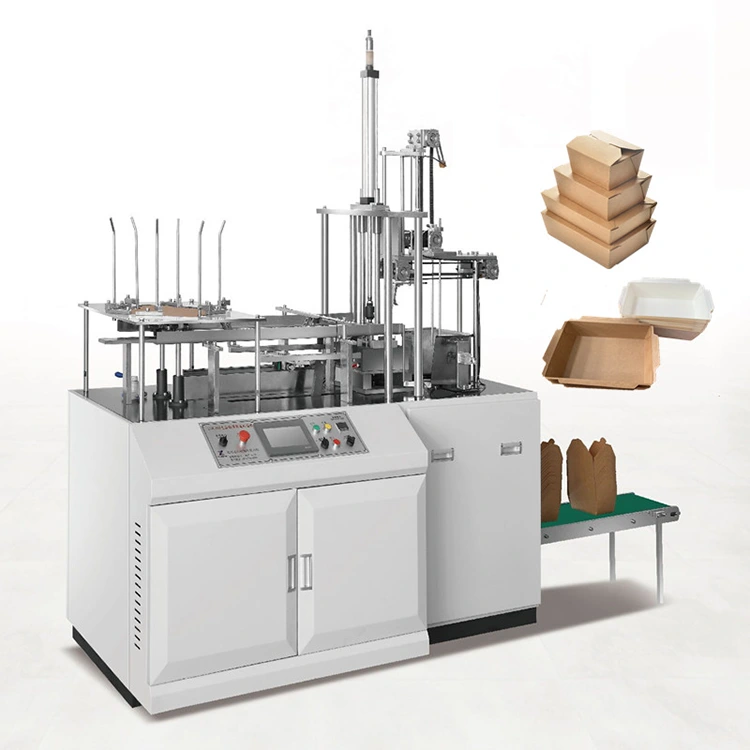
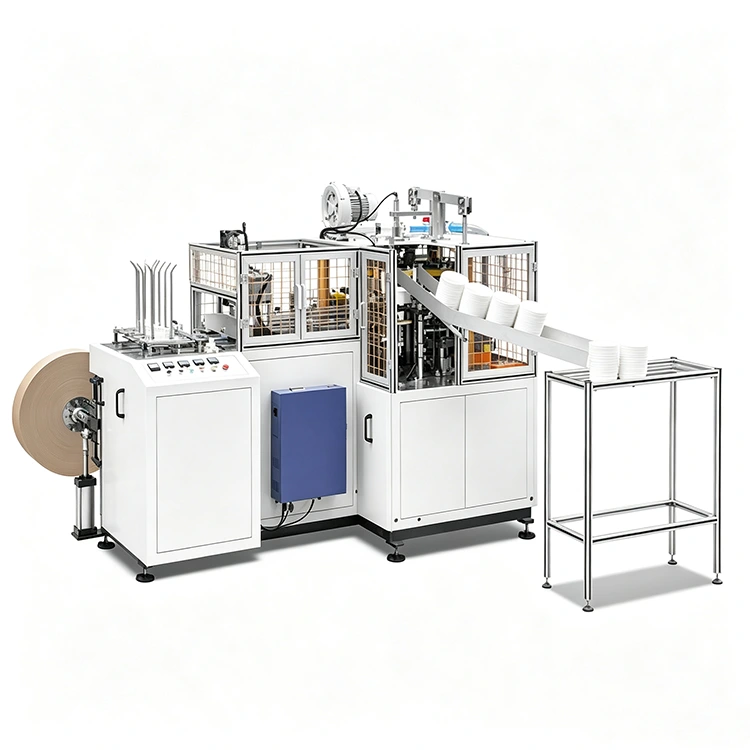
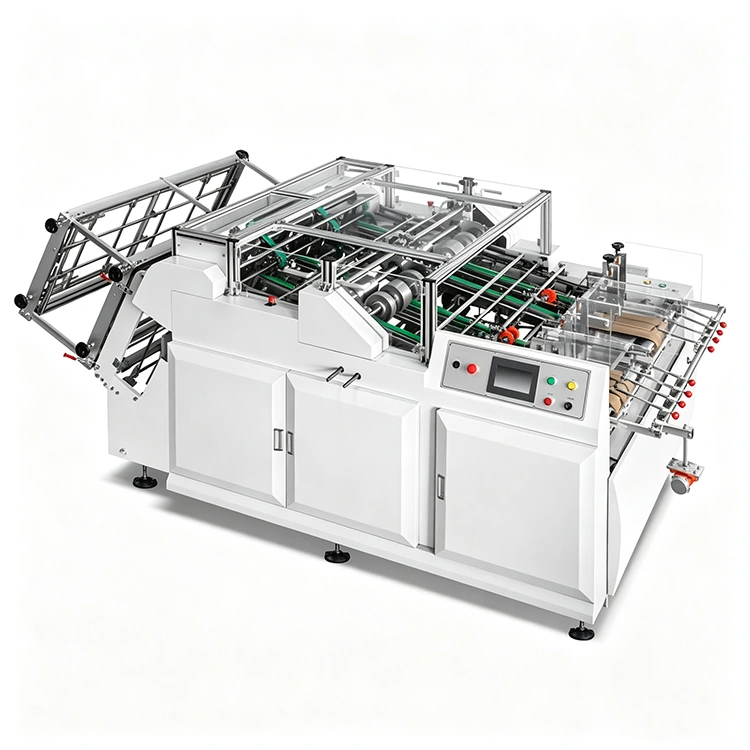
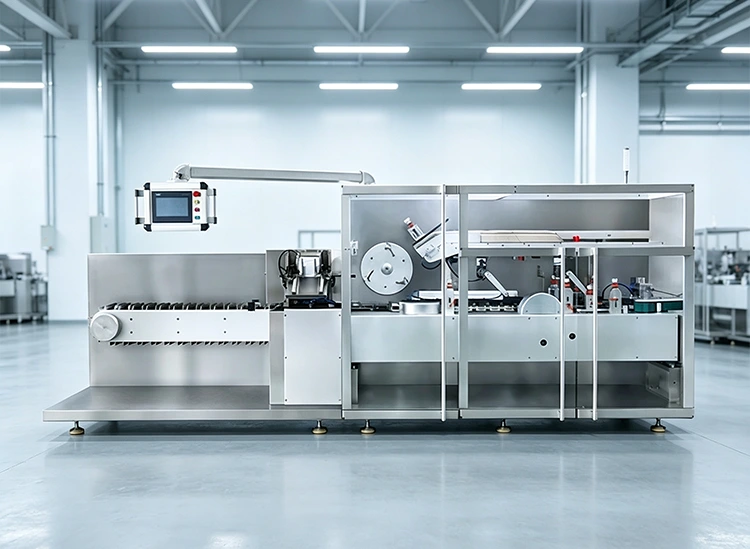
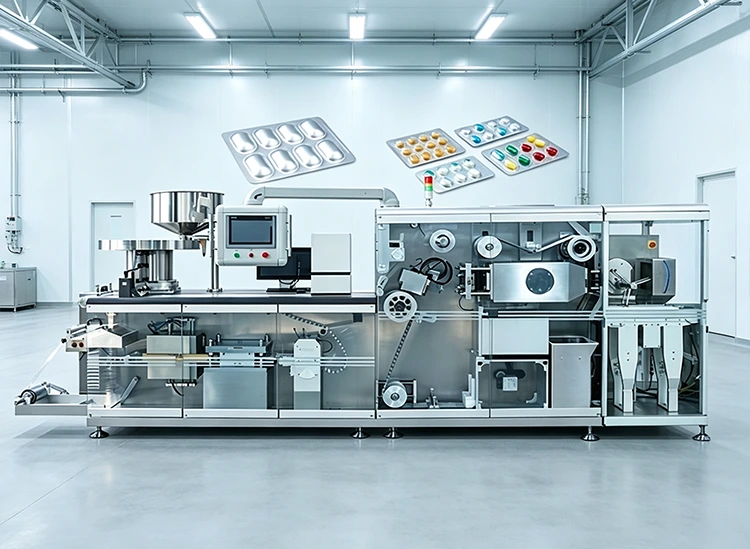
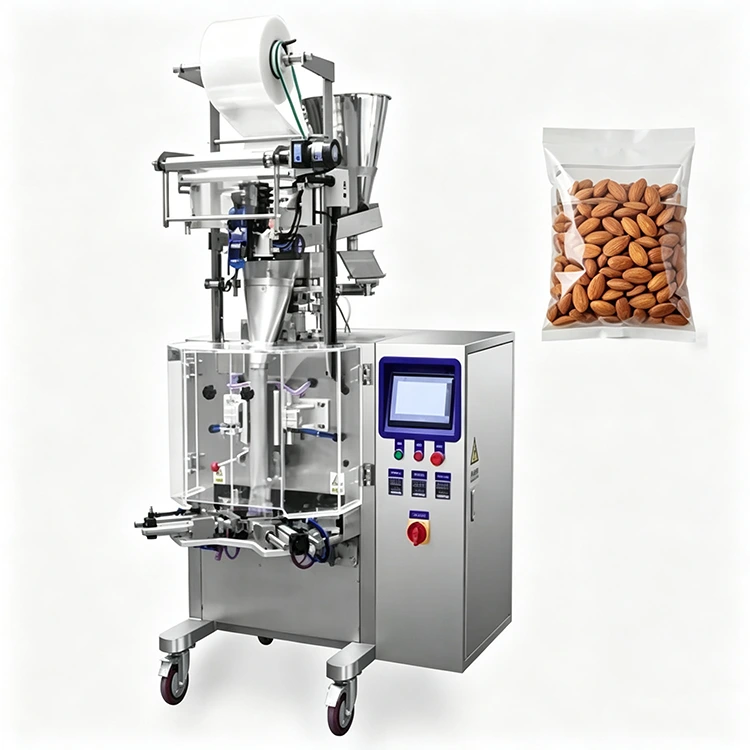
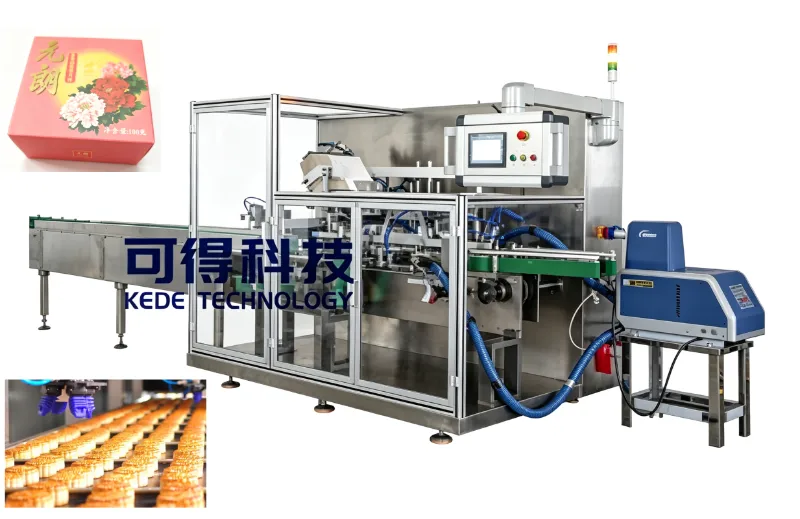
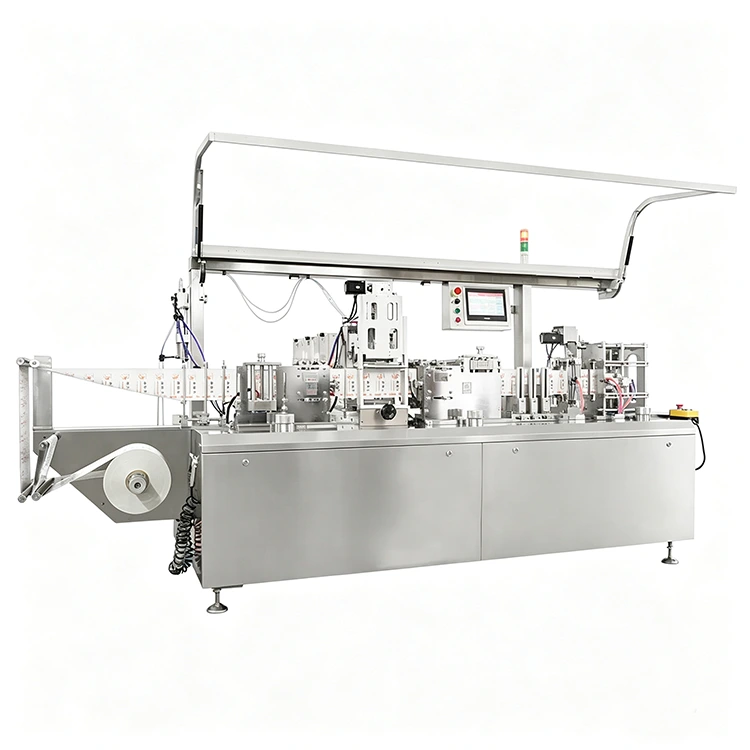
The global tissue and packaging industry relies on converting systems that can turn large parent rolls, recycled fiber, coated board, and nonwoven materials into finished consumer and industrial goods. Paper Products Machines from KEDE are engineered to handle this conversion process with precise tension control, stable web guiding, and repeatable folding, cutting, embossing, and forming operations. These machines serve tissue converters, paper cup manufacturers, paper bag producers, and disposable hygiene product plants that need consistent output, low downtime, and flexible changeover between product sizes.
KEDE has focused on paper converting equipment for two decades, refining drive systems, servo positioning, and frame rigidity to meet high-volume production schedules. The equipment range covers toilet paper rewinding, napkin folding, paper cup forming, paper bag making, and related auxiliary systems. Each machine is designed around a core principle: the web path must remain stable from unwinding to finished discharge, and every cutting or folding station must be repeatable within tight tolerances.
Key Engineering Features
KEDE builds paper converting equipment with a focus on mechanical rigidity, servo accuracy, and operator safety. The following design elements are standard across most models.
-
Servo-driven cutting and folding stations: Independent servo motors control blade positioning, fold rolls, and stacking cycles. This eliminates mechanical cam timing drift and allows recipe-based changeover for different product sizes.
-
PLC and HMI control systems: Every machine includes a programmable logic controller with a touchscreen interface. Operators can store product recipes, adjust speed ramps, and monitor fault codes without manual recalibration.
-
Automatic web tension control: Load cells and dancer rollers work together to maintain stable tension from the parent roll to the converting section. This reduces wrinkles, neck-in, and register errors on printed or embossed substrates.
-
Heavy-duty welded frames: Main frames are stress-relieved and precision-machined to keep bearing seats aligned. This extends blade life and reduces vibration at high operating speeds.
-
Safety interlocks and guards: All rotating parts, cutting zones, and hot sealing areas are enclosed. Emergency stop circuits meet CE and ISO 13849 requirements, and access doors are interlocked to prevent operation when open.
-
Modular tooling: Folding plates, forming mandrels, and bag gusset tools are designed for quick removal. This allows a single machine to run multiple product sizes with minimal downtime.
How to Select the Right Paper Products Machine
Choosing the correct machine requires a clear definition of daily output targets, product dimensions, raw material properties, and plant infrastructure. The following decision points help narrow the options.
-
Required output per shift: A small converter producing 50,000 napkins per day has different needs than a plant producing one million napkins. Higher-speed machines reduce labor cost per unit but require more stable raw materials and faster packaging lines.
-
Product size range: If the plant runs multiple napkin sizes or cup diameters, the machine should support quick changeover without long recalibration. KEDE models include recipe storage and servo positioning to reduce changeover time to under 30 minutes for most size changes.
-
Raw material specifications: Basis weight, roll diameter, core size, and coating type affect feeding, cutting, and sealing. The machine must be specified for the lightest and heaviest materials expected in production.
-
Automation level: Fully automatic lines include auto splicing, auto core feeding, and robotic packing. Semi-automatic lines require more operator intervention but have lower upfront cost. KEDE offers both configurations and can retrofit automation modules later.
-
Facility constraints: Ceiling height, floor load capacity, power supply, and compressed air availability must be reviewed. KEDE provides foundation drawings and utility requirements before shipment to reduce installation delays.
Frequently Asked Questions
Q: What is the difference between a toilet paper rewinding machine and a complete toilet paper production line?
A: A toilet paper rewinding machine converts jumbo tissue rolls into retail-sized logs by unwinding, perforating, embossing, and rewinding the paper onto cores. A complete toilet paper production line adds automatic core feeding, log sawing, and packaging equipment. The rewinder alone is suitable for converters that already have cutting and wrapping systems.
Q: What kind of raw materials can KEDE process?
A: KEDE Paper Products Machines are designed to process virgin tissue, recycled tissue, mixed furnish tissue, coated cup stock, kraft paper, and some laminated or barrier-coated papers. The exact material compatibility depends on the machine type.
Q: Can KEDE Paper Products Machines be customized for different product specifications?
A: Yes. KEDE manufactures standard platforms but customizes tooling, web widths, folding configurations, sealing methods, and discharge systems to match specific product requirements.