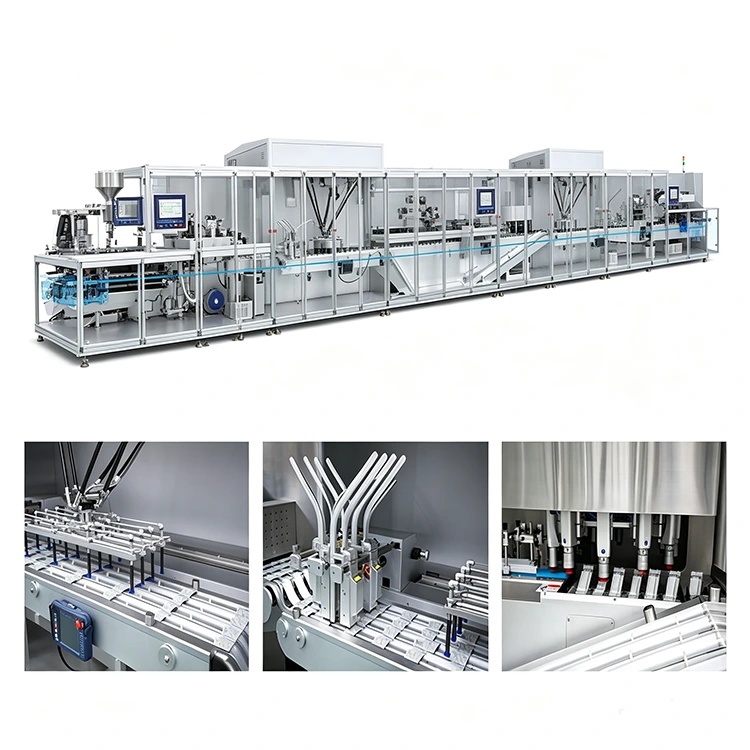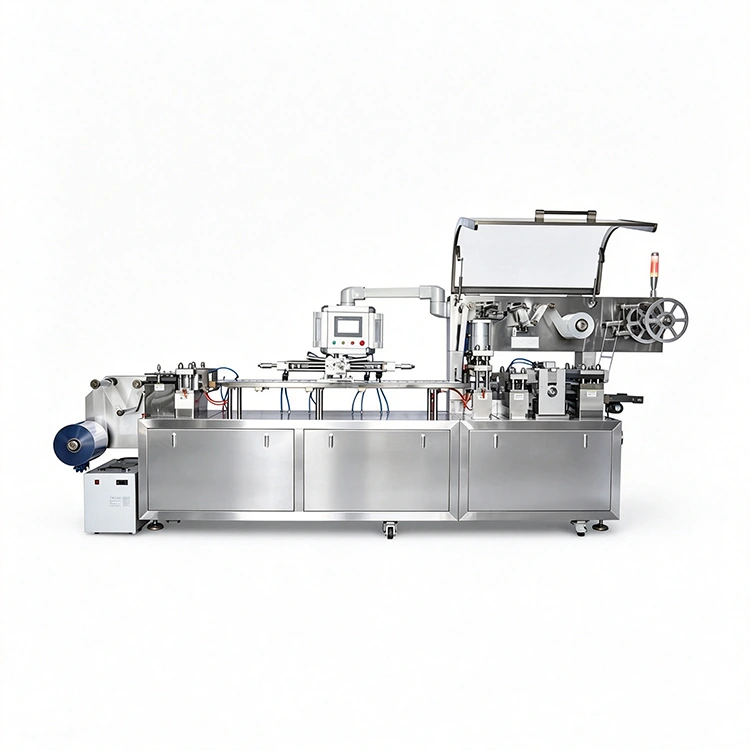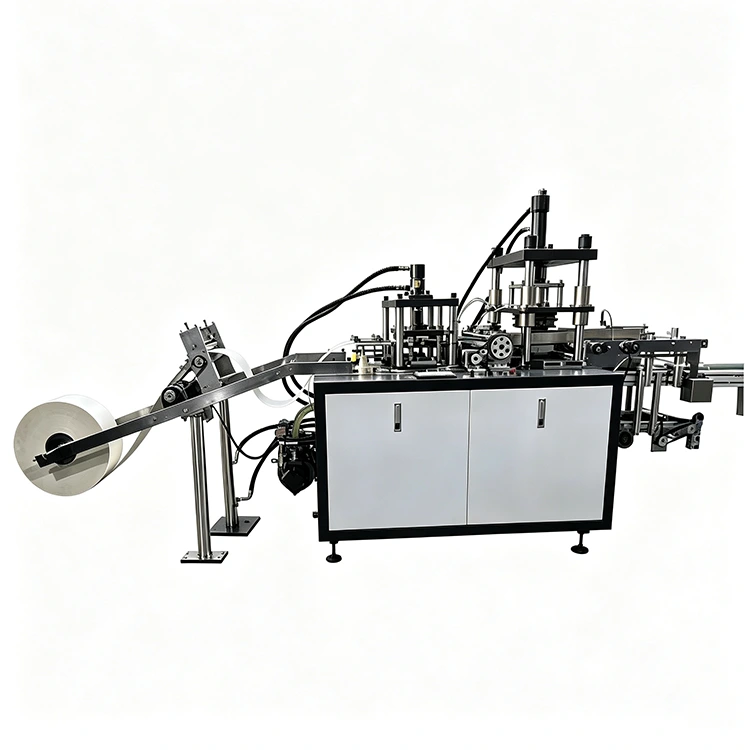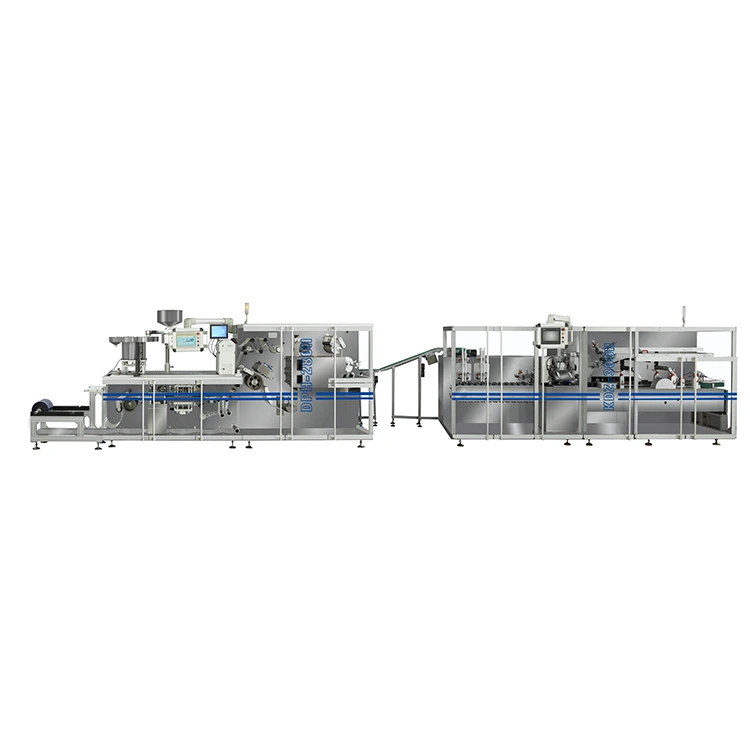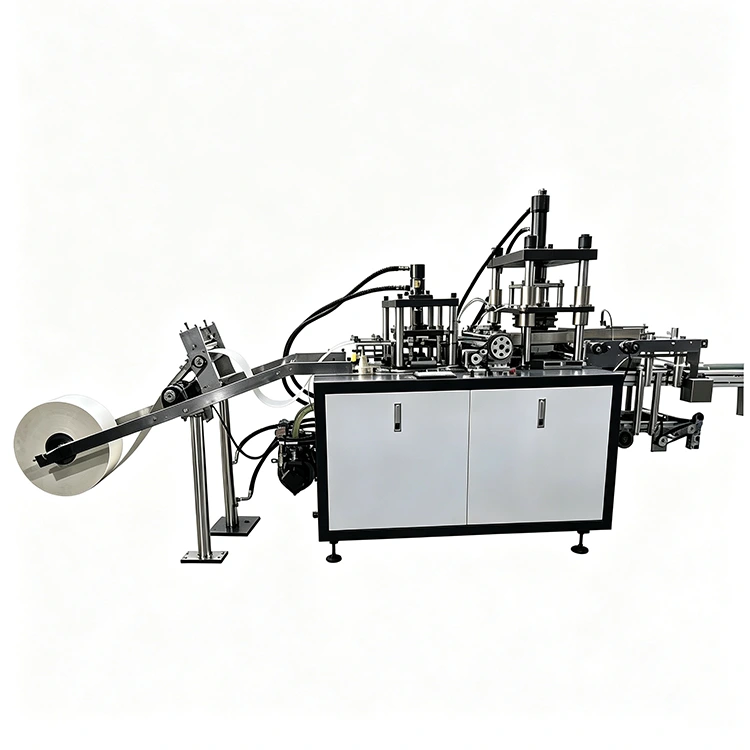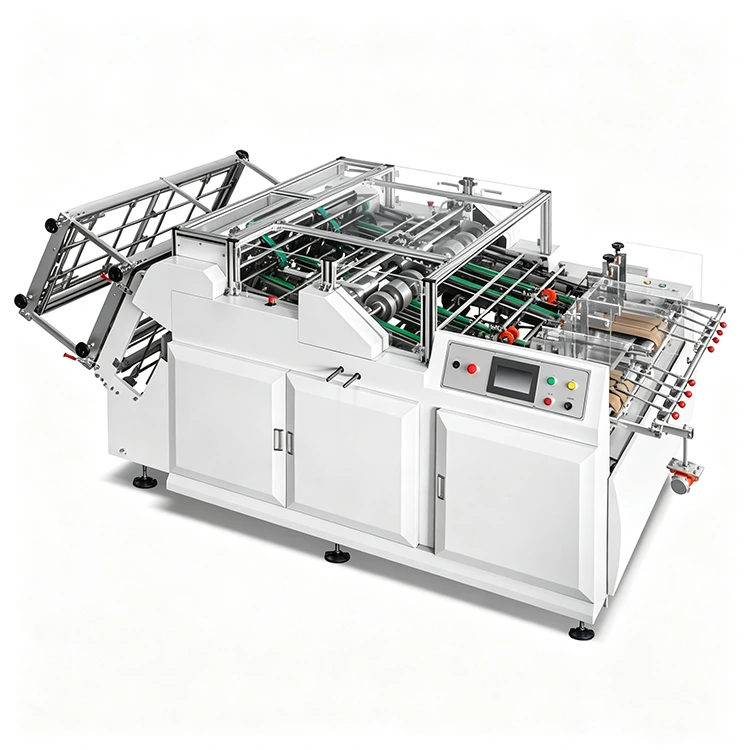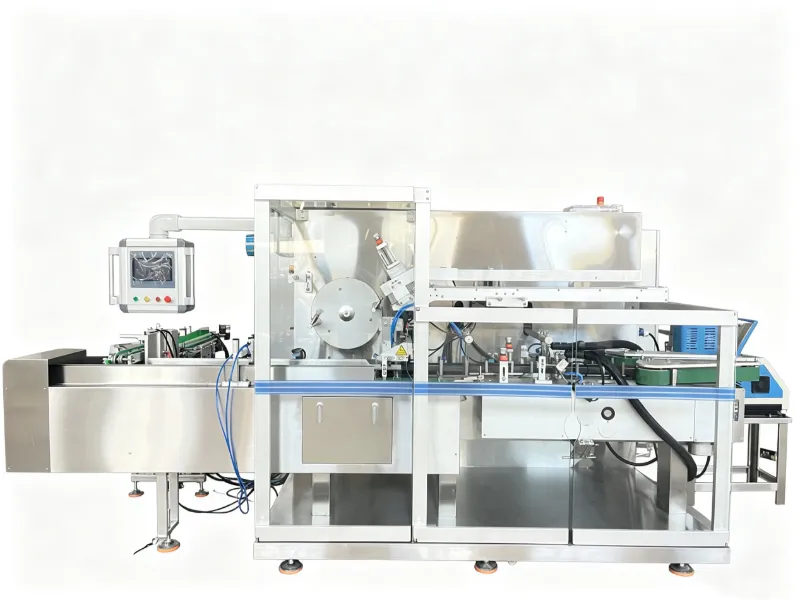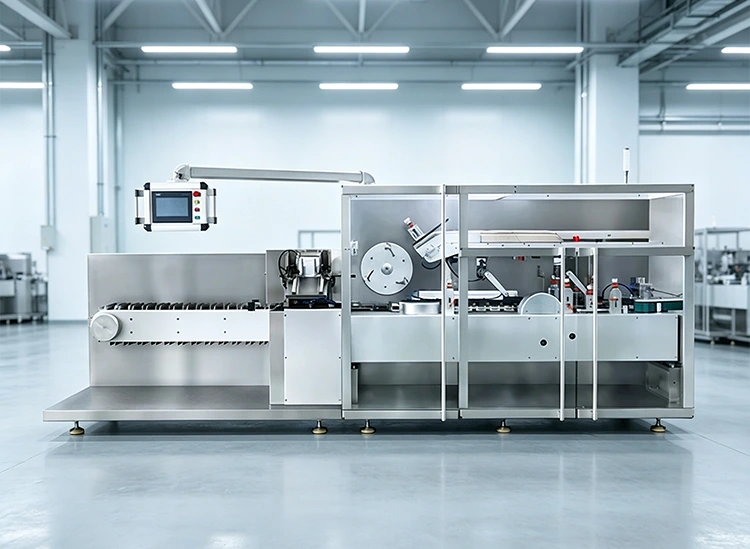

KEDE provides packaging solutions for manufacturers seeking a more efficient way to pack granular products. An Automatic Granule Pouch Packing Machine can streamline weighing, filling, pouch handling, and sealing, helping businesses improve packaging consistency, reduce manual operations, and meet growing production demands.
Granular products such as rice, seeds, nuts, coffee beans, sugar, fertilizer granules, and pet food require packaging equipment that can handle different particle sizes, target weights, and packaging formats. An automatic granule pouch packing machine integrates essential packaging operations into a coordinated process, reducing repetitive manual work and supporting more consistent production. This article explains how the equipment works, its main benefits, important technical considerations, suitable applications, and practical purchasing criteria. It also outlines how manufacturers can evaluate filling accuracy, packaging speed, pouch compatibility, maintenance requirements, and future production needs before investing in an automated packaging system.
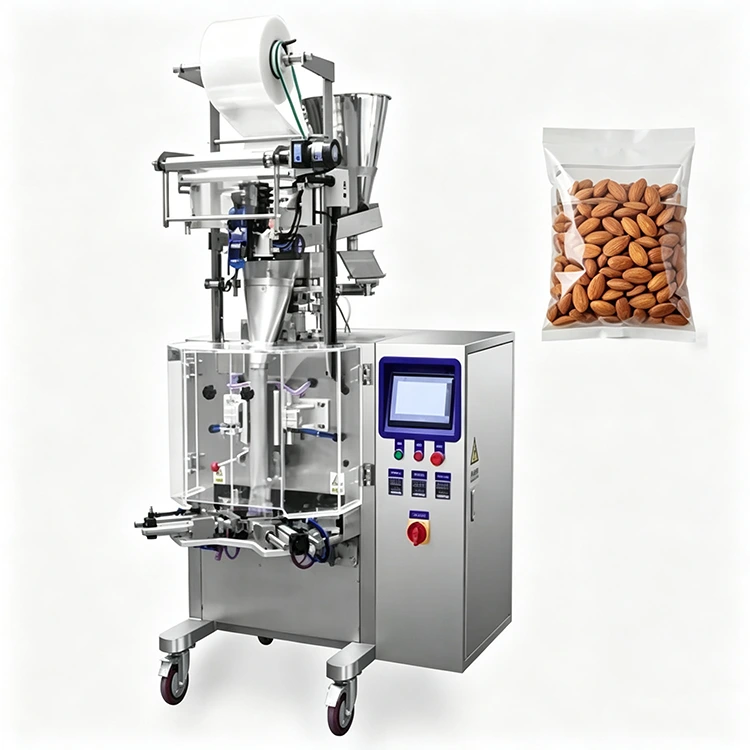
1. What Is an Automatic Granule Pouch Packing Machine?
3. Key Benefits of Automatic Granule Packaging
4. Applications Across Different Industries
5. Important Technical Specifications to Evaluate
6. How to Select the Right Machine
7. Maintenance and Operational Best Practices
An automatic granule pouch packing machine is industrial packaging equipment designed to measure, dispense, and package granular materials into individual pouches. Depending on its configuration, the machine may handle pre-made pouches or form bags from packaging film. Feeding, weighing, filling, and sealing functions can be integrated into one production system.
Unlike manual filling methods, automated packaging coordinates the movement of materials and packaging containers through a controlled operating cycle. This makes the equipment particularly useful for manufacturers handling repetitive orders, standardized package weights, and large production volumes.
Typical systems may include the following components:
The actual configuration depends on the product characteristics, packaging format, target output, and required level of automation. Manufacturers should therefore evaluate the complete production requirement rather than choosing equipment based on its name alone.
Although machine structures vary, the packaging process generally follows several connected stages. Understanding this workflow helps production managers identify potential bottlenecks and determine which functions should be automated.
The product enters a hopper or feeding system, which transfers the material toward the measuring unit. Feeding performance depends on particle size, bulk density, moisture content, and flow characteristics. Irregular or fragile granules may require a carefully selected feeding mechanism to reduce breakage and prevent blockages.
The dosing system measures the required quantity for each package. Depending on the application, manufacturers may select a multihead weigher, linear weigher, volumetric cup, or another suitable metering device.
Free-flowing products such as seeds and many grains may behave differently from sticky, dusty, or irregularly shaped materials. Testing the actual product is an important step in confirming the appropriate dosing method.
The machine positions the pouch or forms a bag from film before transferring the measured granules into the package. Reliable synchronization between weighing and filling helps reduce product loss, incomplete fills, and unnecessary production interruptions.
After filling, the pouch moves to the sealing station. Temperature, pressure, and sealing time must be matched to the packaging material. The finished package is then discharged for inspection, labeling, secondary packaging, or transportation.
For quality assurance, operators should regularly inspect package weight, seal integrity, appearance, and leakage performance where applicable.
Automation can improve packaging operations in several measurable ways. The actual results depend on the equipment configuration, product properties, operator training, and factory operating conditions.
Automating repetitive weighing and filling tasks reduces reliance on manual handling. Operators can supervise the production process, replenish materials, inspect packages, and manage quality checks instead of manually filling every pouch.
When properly integrated, automated equipment can also support more predictable production planning and help manufacturers respond to larger orders.
A suitable weighing system helps control the amount of product placed in each pouch. Consistent portioning is important for retail products, agricultural supplies, food ingredients, and other materials sold by weight.
However, achievable accuracy depends on granule characteristics, target weight, dosing technology, calibration, and operating conditions. Buyers should request product-specific testing results rather than assuming that every machine delivers the same accuracy.
Controlled dosing can reduce overfilling and spilled product. Automated pouch handling and correctly adjusted sealing mechanisms may also reduce rejected packages caused by misalignment or poor seals.
To evaluate savings, manufacturers can compare material usage, rejected-package rates, labor requirements, and maintenance expenses before and after installation.
Depending on the selected model, an automatic granule packing system may support different pouch dimensions, packaging materials, and package weights. Some configurations accommodate flat pouches, stand-up pouches, or zipper pouches, while others use roll film to form bags automatically.
Compatibility must be confirmed for each machine. A pouch format supported by one model may not be available on another without additional components or adjustments.
Modern control systems can simplify parameter adjustments and operating-status monitoring. Optional functions may include product detection, automatic rejection, coding, checkweighing, or integration with upstream and downstream equipment.
These features can improve process visibility, but their availability should be confirmed in the equipment quotation and technical documentation.
Granule pouch packaging equipment serves a wide range of manufacturing and processing applications. Selecting the correct configuration requires attention to both the product and its intended market.
| Industry | Typical Products | Key Packaging Considerations |
|---|---|---|
| Food processing | Rice, sugar, beans, nuts, seeds, coffee beans | Food-contact materials, accurate dosing, cleanability, and reliable seals |
| Agriculture | Crop seeds, planting materials, granular soil additives | Particle-size variation, dust control, package weight, and product protection |
| Pet food | Dry pet food, small treats, granular supplements | Particle shape, portion consistency, pouch strength, and packaging presentation |
| Chemical processing | Selected fertilizer granules, industrial additives | Material compatibility, dust management, and appropriate operator protection |
| Pharmaceutical and healthcare products | Suitable granulated formulations | Validated dosing, hygiene, traceability, and applicable regulatory requirements |
| Household products | Selected detergent granules and cleaning-product ingredients | Moisture protection, material compatibility, and dependable sealing |
Not every machine is suitable for every industry. Products with strict hygiene requirements, hazardous properties, or specialized handling needs may require dedicated construction materials, additional containment, validated cleaning procedures, or industry-specific compliance measures.
Before purchasing an automatic granule pouch packing machine, buyers should compare the parameters that directly affect product compatibility and production performance. Rated speed alone is not enough to determine whether a machine is suitable for a particular factory.
| Parameter | What to Check | Why It Matters |
|---|---|---|
| Filling range | Minimum and maximum target weight | Determines whether the machine can handle the required package sizes |
| Filling accuracy | Guaranteed or tested deviation for the actual product | Influences giveaway, compliance, and product consistency |
| Packaging speed | Rated bags per minute and expected actual output | Helps estimate production capacity and line balance |
| Pouch dimensions | Supported width, length, and bag style | Ensures compatibility with existing packaging specifications |
| Packaging material | Approved film structure, thickness, and sealing properties | Affects seal strength, appearance, and product protection |
| Power and utilities | Voltage, frequency, installed power, and compressed-air needs | Ensures compatibility with factory infrastructure |
| Contact materials | Construction materials and relevant food-contact documentation | Supports hygiene and product compatibility requirements |
| Maintenance | Cleaning access, spare parts, and service support | Influences uptime and long-term operating costs |
Manufacturers may quote packaging speed in bags per minute. Actual output can be lower because of product replenishment, pouch changes, cleaning, quality checks, machine stoppages, and downstream handling limitations.
For example, a line running at 30 bags per minute for 60 minutes would theoretically produce 1,800 bags. If it operates at 80% effective production availability during that period, the output would be approximately 1,440 bags. This is an illustrative calculation, not a performance guarantee for any particular machine.
For more reliable planning, request a production trial using the intended product, target fill weight, pouch material, and package dimensions.
Choosing packaging equipment should be a structured purchasing decision. The right machine must meet current production requirements while allowing reasonable flexibility for future product development.
Document the material's particle size, shape, density, flowability, fragility, moisture sensitivity, and dust generation. These properties influence the feeder, measuring system, cleaning requirements, and achievable output.
Specify the target net weight, pouch dimensions, bag style, packaging material, sealing method, and required product information. If you sell several package sizes, identify the frequency of product changeovers and the acceptable adjustment time.
Estimate hourly and daily demand, production shifts, planned downtime, and seasonal order variations. Select a system that meets practical output targets without relying exclusively on maximum advertised speed.
Determine whether you need standalone packaging equipment or a complete line. Potential additions include:
Confirm that all equipment can communicate or operate together as required, and clarify which components are included in the supplier's quotation.
The initial purchase price is only one part of the investment. Consider installation, commissioning, operator training, consumables, maintenance, spare parts, energy use, and expected downtime.
A useful comparison should evaluate the cost per acceptable finished pouch rather than purchase price alone. A machine with a higher initial price may offer better value if it consistently reduces waste and unplanned interruptions.
Whenever possible, provide representative product samples and actual packaging materials for testing. Ask the supplier to document operating speed, filling variation, sealing quality, material loss, and any limitations observed during the trial.
For product-specific details, consult the KEDE Automatic Granule Pouch Packing Machine product page and request confirmation of the configuration that matches your application.
Regular maintenance helps protect packaging accuracy, reduce avoidable downtime, and extend equipment service life. A maintenance schedule should follow the manufacturer's instructions and the actual operating environment.
Before cleaning, adjustment, or maintenance, isolate energy sources according to the machine's safety procedures. Operators should never reach into moving mechanisms or bypass protective devices while the machine is running.
Depending on its feeding and dosing configuration, the machine may package rice, seeds, beans, sugar, nuts, coffee beans, selected pet food products, and other granular materials. Compatibility depends on particle size, shape, density, flowability, and any special hygiene or safety requirements. A product trial is recommended for difficult-to-handle materials.
Start with your target daily output, operating hours, number of shifts, and expected downtime. Then confirm the practical production rate with the supplier using your actual product and pouch specifications. Maximum rated speed should not be treated as a guaranteed continuous output.
Some machines support multiple pouch dimensions and formats through adjustments or change parts. However, the available range depends on the model and configuration. Confirm the minimum and maximum pouch dimensions, compatible bag styles, and changeover requirements before ordering.
Choose a measuring system suited to the product, maintain consistent feeding conditions, calibrate weighing components, and inspect the equipment regularly. Product testing under representative operating conditions helps establish realistic accuracy expectations. Any accuracy figure should be confirmed for the required fill weight and material.
Compatibility depends on the machine's sealing system and intended packaging format. Certain models may support laminated films, PE, PP, or compatible pre-made pouches. The supplier should confirm the approved material structure, thickness, sealing temperature range, and required pouch specifications.
Prepare your product name, sample or product photographs, particle characteristics, target filling weight, required hourly output, pouch dimensions, bag style, packaging material, power supply, and factory requirements. Also indicate whether you need feeding equipment, weighing devices, coding, inspection, or downstream packaging integration. This information helps the supplier recommend a more suitable configuration.
An automatic granule pouch packing machine can help manufacturers streamline packaging operations, improve portion consistency, reduce repetitive labor, and support growing production demand. The best investment depends on matching the machine's dosing technology, pouch compatibility, practical output, and maintenance requirements to the material being packaged.
Before making a purchasing decision, verify technical specifications, test the actual product, evaluate the complete production workflow, and compare long-term operating costs. For manufacturers seeking a suitable packaging solution, KEDE can be approached to discuss product requirements, machine configuration, and available options. Visit the Automatic Granule Pouch Packing Machine product page for further information, and contact us to discuss your packaging needs, request a tailored quotation, and identify a solution aligned with your production goals.