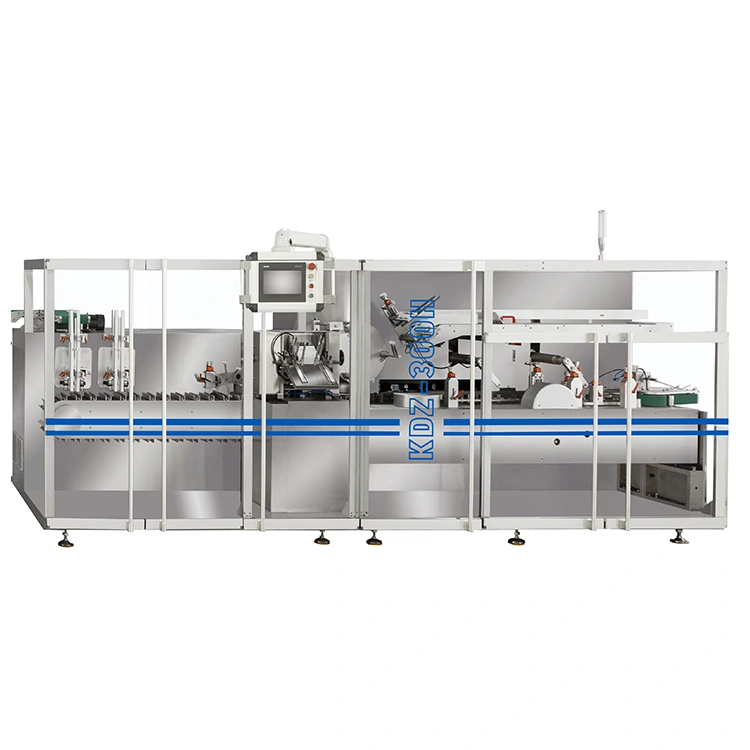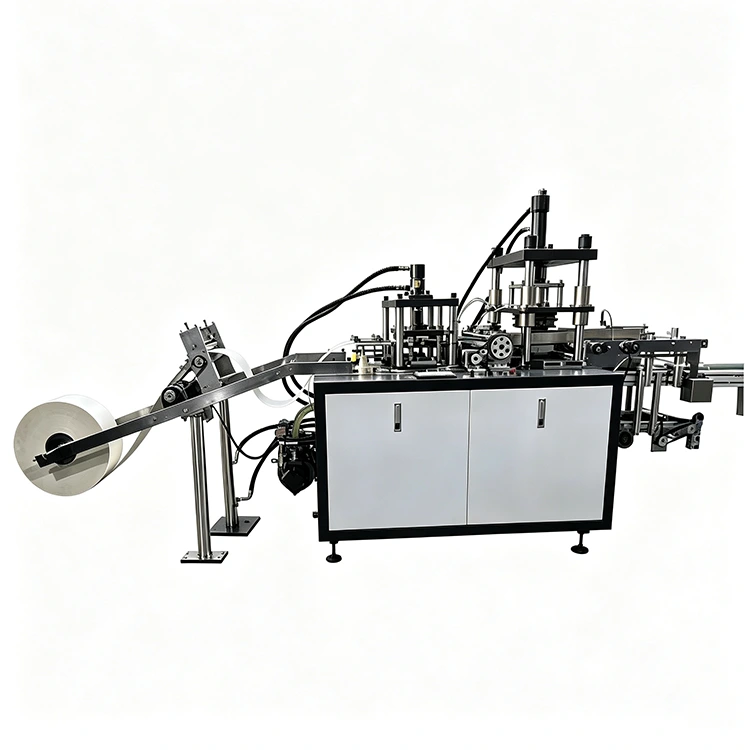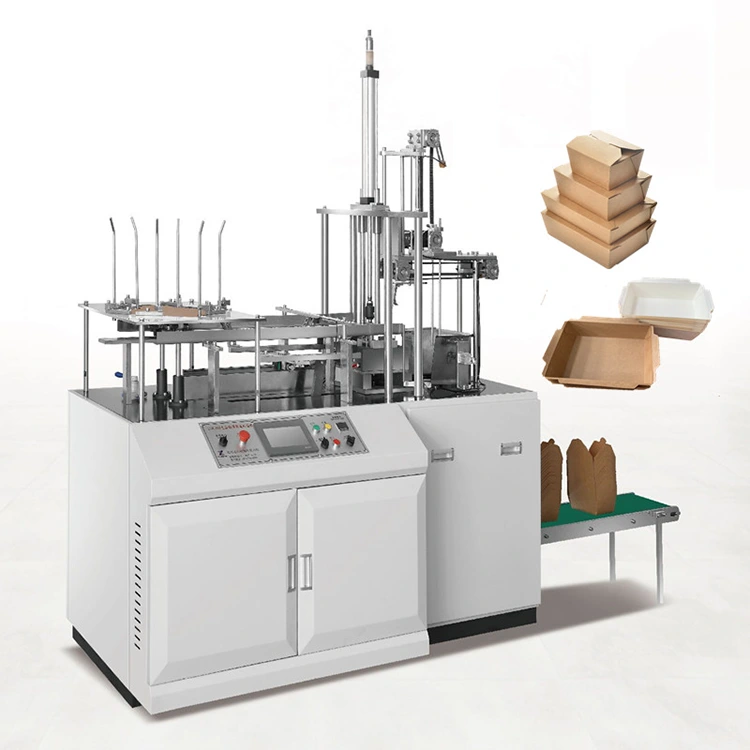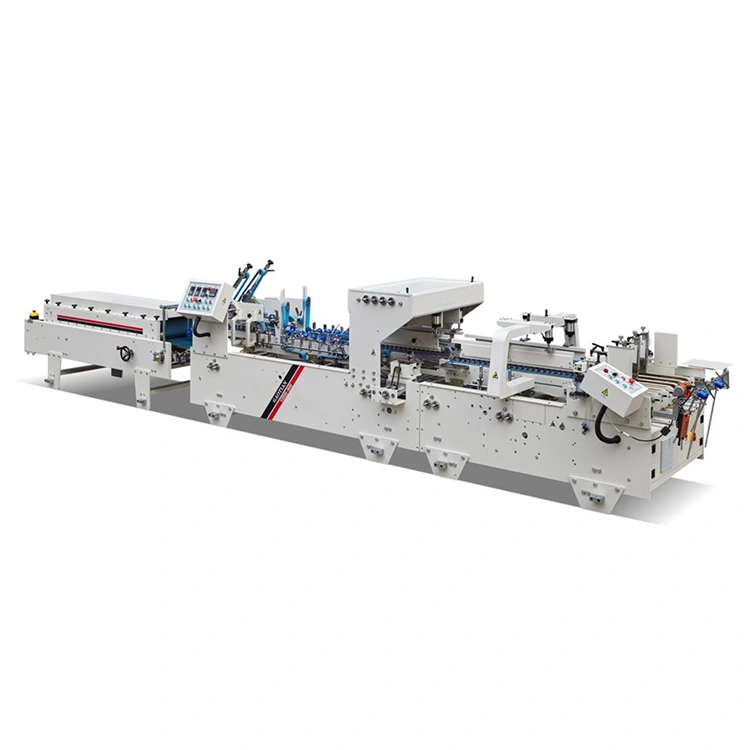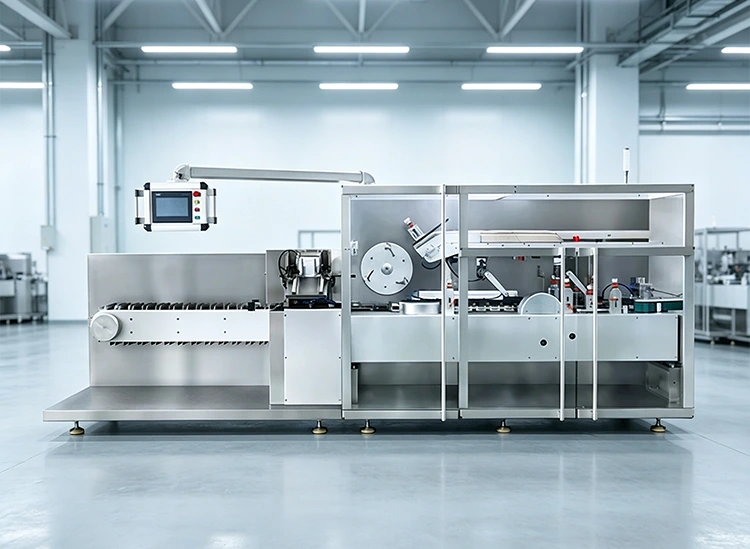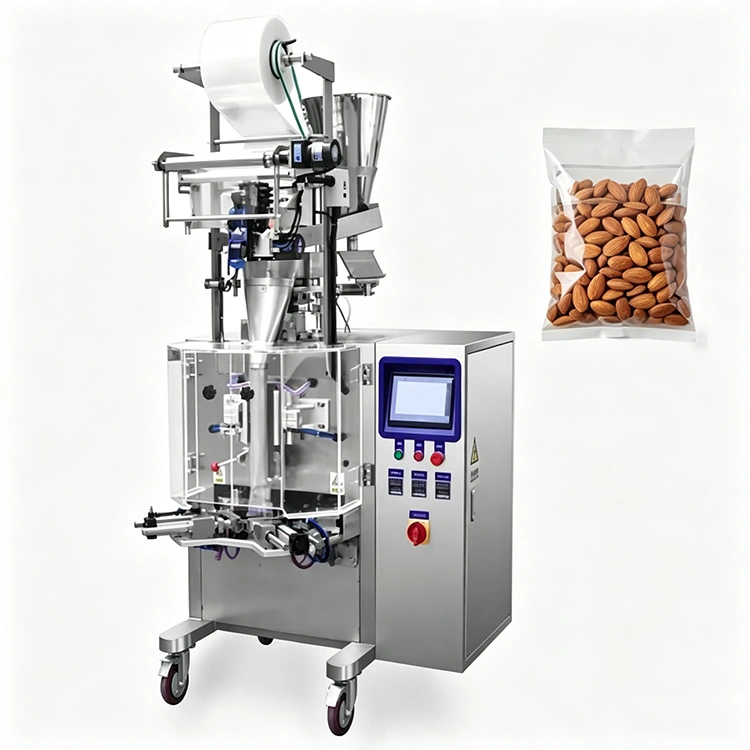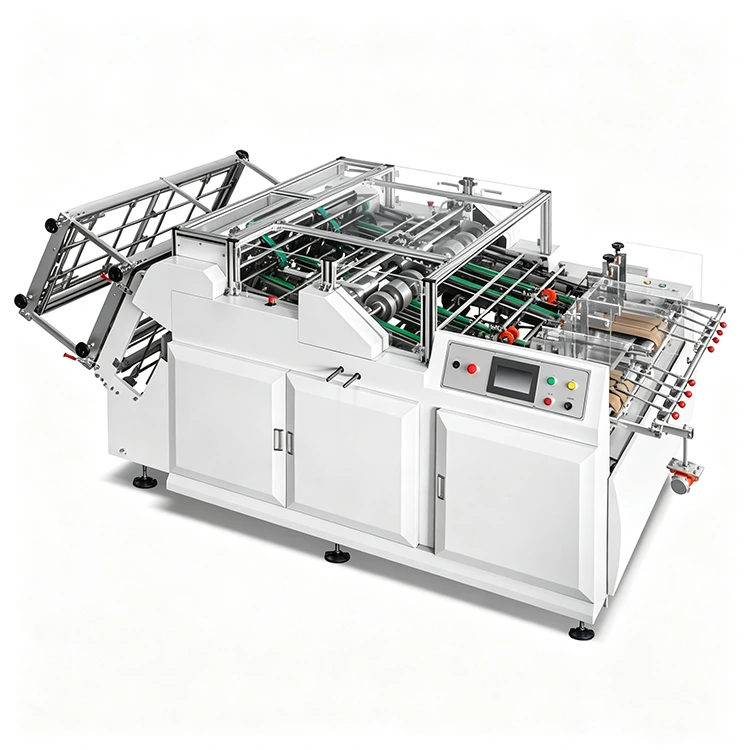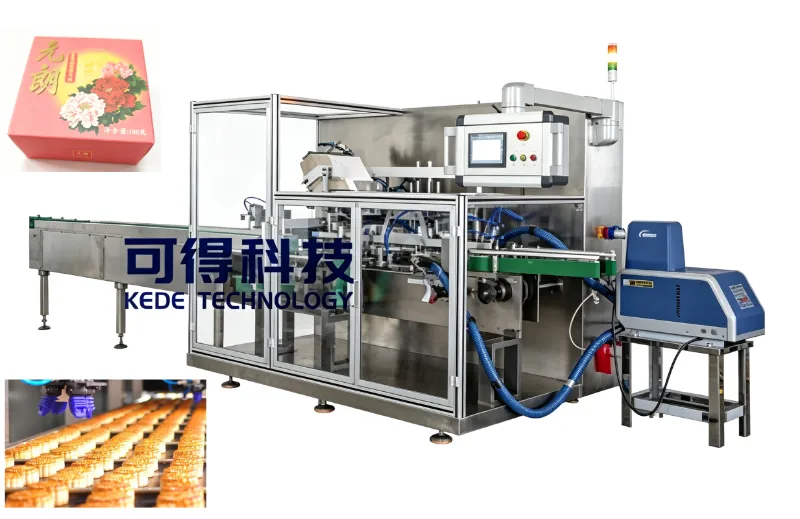

For manufacturers seeking faster, more consistent disposable tableware production, the Automatic Paper Plate Making Machine from KEDE provides an integrated solution for forming paper and coated paper plates. Designed for continuous production, it combines automatic feeding, die cutting, indentation, heating, molding, counting, and collection to support efficient production of round, square, and customized paper plate shapes.
An Automatic Paper Plate Making Machine is designed to streamline the production of disposable paper plates by integrating multiple forming operations into one automated production system. KEDE's machine supports 5–11 inch plate sizes through exchangeable molds and can process 150–400gsm paper, paperboard, single aluminum-foil coated paper, film-coated paper, and other suitable materials. With a production speed of approximately 60–80 pieces per minute across two working stations, the equipment is suitable for manufacturers that require stable output, repeatable forming quality, and simplified operation. Its combination of mechanical and hydraulic forming technology, servo-driven paper feeding, temperature control, automatic counting, and collection helps create a practical production solution for modern paper product factories.
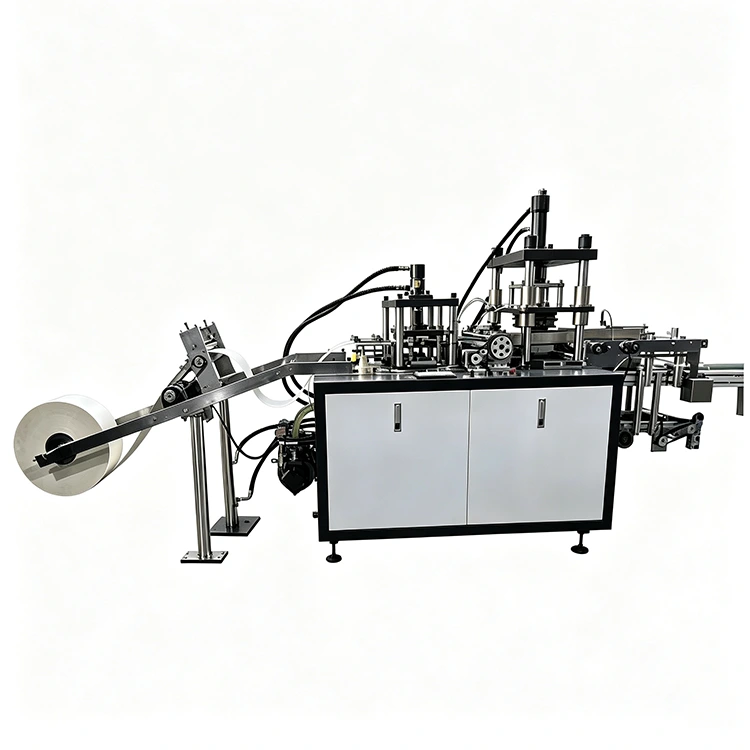
Table of Contents
Why Is an Automatic Paper Plate Making Machine Important?
How Does an Automatic Paper Plate Making Machine Work?
What Are the Key Features of the Machine?
What Are the Main Technical Parameters?
What Production Benefits Can Manufacturers Expect?
Where Can the Machine Be Used?
How Should Buyers Choose the Right Machine?
Why Is an Automatic Paper Plate Making Machine Important?
Disposable paper plates are widely used in food service, catering, events, takeaway businesses, household consumption, and commercial food packaging. As production volumes increase, manual or semi-automatic forming processes can create challenges related to labor requirements, production consistency, operating speed, and product counting.
An Automatic Paper Plate Making Machine addresses these challenges by integrating several production stages into one coordinated system. Instead of requiring separate operations for feeding, forming, counting, and collection, the machine can perform these processes continuously.
- Higher production efficiency: Automated feeding and forming reduce unnecessary manual intervention.
- Consistent plate forming: Controlled forming pressure and heating help maintain repeatable product geometry.
- Flexible plate production: Exchangeable molds allow different plate sizes and shapes to be produced.
- Reduced labor dependency: Automatic counting and collection simplify routine production tasks.
- Improved production management: Operators can monitor important operating parameters through the control system.
For factories expanding their disposable tableware business, automation can therefore become an important part of maintaining stable production capacity.
How Does an Automatic Paper Plate Making Machine Work?
The production process begins with the feeding of paper or other compatible sheet materials into the forming system. KEDE's design incorporates automatic servo motor roll paper feeding to provide controlled material movement during production.
After feeding, the material passes through the necessary cutting and indentation processes. The prepared paper blank is then positioned for heating and molding. During the forming stage, the machine uses a combination of mechanical and hydraulic principles to shape the material into the required plate geometry.
Temperature control is important when working with certain coated paper materials because controlled heating can help improve forming stability. After molding, finished plates are automatically counted and collected, reducing the need for operators to manually handle every individual product.
By changing the forming mold, manufacturers can produce different sizes and shapes, including round, square, and other customized paper plate designs.
What Are the Key Features of the Machine?
A modern paper plate production line needs to balance speed, flexibility, forming accuracy, and operational convenience. The following features are particularly relevant when evaluating an automatic solution.
Automatic Servo Paper Feeding
Servo-driven feeding provides controlled material movement and helps maintain a stable production rhythm. This is particularly useful for continuous manufacturing where irregular feeding can affect forming quality and production efficiency.
Automatic Die Cutting and Indentation
The integrated cutting and indentation functions prepare the raw material for the forming process. Properly controlled cutting helps maintain consistent blank dimensions, while indentation supports the required structural shape of the finished plate.
Heating and Temperature Control
The machine includes heating capability with a listed heating power of 4KW. Controlled temperature management can help improve the forming process when processing paperboard or coated materials that require thermal assistance.
Exchangeable Molds
One of the most practical advantages is mold flexibility. The machine supports plate sizes from approximately 5 to 11 inches, with molds that can be exchanged according to the desired product specification.
Automatic Counting and Collection
Automatic counting and collection reduce repetitive manual work after the forming process. This is particularly useful for production lines where finished plates need to be grouped, inspected, packed, or transferred to the next process.
What Are the Main Technical Parameters?
Before purchasing paper plate production equipment, buyers should evaluate machine dimensions, compatible materials, production speed, power requirements, plate sizes, and air supply conditions.
| Parameter | Specification |
|---|---|
| Plate Size | 5–11 inches, exchangeable molds |
| Production Speed | 60–80 pieces/minute |
| Working Stations | Two working stations |
| Compatible Material | Paper, paperboard, aluminum-foil/film coated paper and other suitable materials |
| Material Thickness | 150–400gsm |
| Heating Power | 4KW |
| Motor Power | 8.5KW |
| Voltage | 380V / 50Hz |
| Machine Size | 4300 × 1250 × 2000mm |
| Machine Weight | Approximately 1600kg |
| Working Air Pressure | 0.8MPa |
Actual production performance can depend on material characteristics, plate specifications, mold configuration, operating conditions, and production management. Buyers should therefore confirm the final configuration with the equipment supplier before placing an order.
What Production Benefits Can Manufacturers Expect?
Choosing automated paper plate production equipment is not simply about increasing machine speed. A well-designed production system should also help manufacturers achieve greater process stability and simplify day-to-day operation.
- Continuous production capability: Automated feeding and forming support longer production cycles with less repetitive manual handling.
- Stable forming performance: The combination of mechanical and hydraulic technology provides controlled forming conditions.
- Product flexibility: Exchangeable molds make it possible to manufacture different plate specifications without replacing the complete machine.
- Operational convenience: Automated counting and collection reduce repetitive end-of-line tasks.
- Better production planning: A defined production speed makes it easier for factories to estimate output and organize downstream packaging.
For businesses producing disposable tableware at commercial scale, these advantages can help connect forming operations with subsequent inspection and packaging processes more efficiently.
Where Can the Machine Be Used?
The machine is suitable for manufacturers producing paper or coated paper disposable tableware for different commercial applications. Typical application areas include:
- Disposable paper plate manufacturing
- Food service and catering supply production
- Takeaway and fast-food packaging supply
- Party and event tableware production
- Household disposable tableware
- Paper product processing factories
- Customized plate production for food-related businesses
Because the forming mold can be changed, manufacturers can adapt production to different plate dimensions and shapes. This flexibility is useful for businesses serving multiple customers rather than producing only one standard plate specification.
How Should Buyers Choose the Right Machine?
When purchasing an Automatic Paper Plate Making Machine, buyers should look beyond the advertised production speed. The most suitable configuration depends on the intended products, raw materials, production volume, factory utilities, and future expansion plans.
1. Confirm the Plate Specifications
Determine the required plate diameter, shape, depth, edge design, and daily production target. If multiple sizes are required, confirm the mold replacement process and available mold options.
2. Check Raw Material Compatibility
Different paperboards and coated materials can behave differently during forming. Confirm that the selected machine can process the intended 150–400gsm material range and discuss special materials with the supplier before production.
3. Evaluate Factory Utilities
The machine uses 380V/50Hz electrical power and requires compressed air. The listed working air pressure is 0.8MPa with an air volume of approximately 1m³/minute, so the factory should prepare an appropriate air compressor and supporting infrastructure.
4. Consider Long-Term Production Requirements
A machine should match not only today's order volume but also the manufacturer's expected product range and capacity requirements. Exchangeable molds, automated counting, stable feeding, and straightforward operation can be valuable when production needs change.
For additional equipment options, buyers can explore related paper product manufacturing applications and evaluate how paper plate forming can fit into a wider automated production workflow.
Frequently Asked Questions
What materials can an Automatic Paper Plate Making Machine process?
The KEDE machine is designed for paper, paperboard, single aluminum-foil or film-coated paper, and other suitable materials within the specified material range of approximately 150–400gsm. Material compatibility should be confirmed according to the actual raw material used by the factory.
What size paper plates can the machine produce?
The listed production range is approximately 5–11 inches. Exchangeable molds allow manufacturers to change the plate specification and produce different shapes according to production requirements.
How fast can the machine produce paper plates?
The listed production speed is approximately 60–80 pieces per minute across two working stations. Actual output can vary according to plate design, raw material, mold configuration, and operating conditions.
Does the machine require compressed air?
Yes. The stated working pressure is 0.8MPa with an air volume requirement of approximately 1m³ per minute. An appropriate air compressor should therefore be prepared as part of the factory installation.
Can the machine produce different plate shapes?
Yes. By changing the mold, the equipment can be configured for different round, square, and shaped paper plate designs. Buyers should confirm the required mold specifications when discussing a customized production solution.
Conclusion: Is Automated Paper Plate Production Ready for Your Factory?
An Automatic Paper Plate Making Machine can integrate feeding, die cutting, indentation, heating, molding, counting, and collection into a coordinated production process. With exchangeable molds, a 5–11 inch plate range, 150–400gsm material compatibility, and a listed output of 60–80 pieces per minute, KEDE's solution is designed for manufacturers seeking a practical approach to automated paper plate production.
For businesses planning a new paper plate production line or upgrading existing equipment, the right machine configuration should be selected according to product specifications, raw materials, capacity targets, utilities, and future production plans. If you are evaluating equipment for your factory and need assistance with machine configuration, mold selection, or production requirements, contact us to discuss your application with KEDE and request a suitable paper plate manufacturing solution.