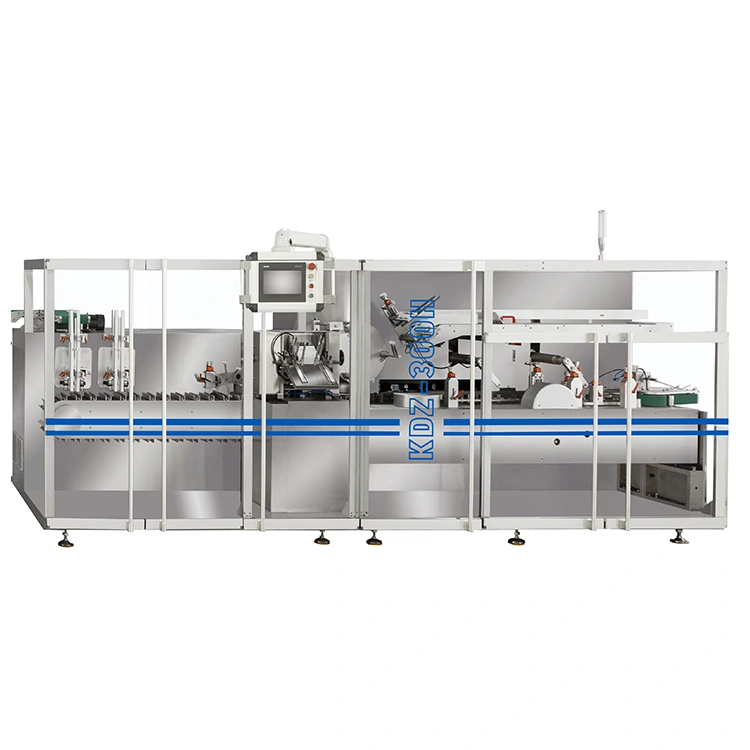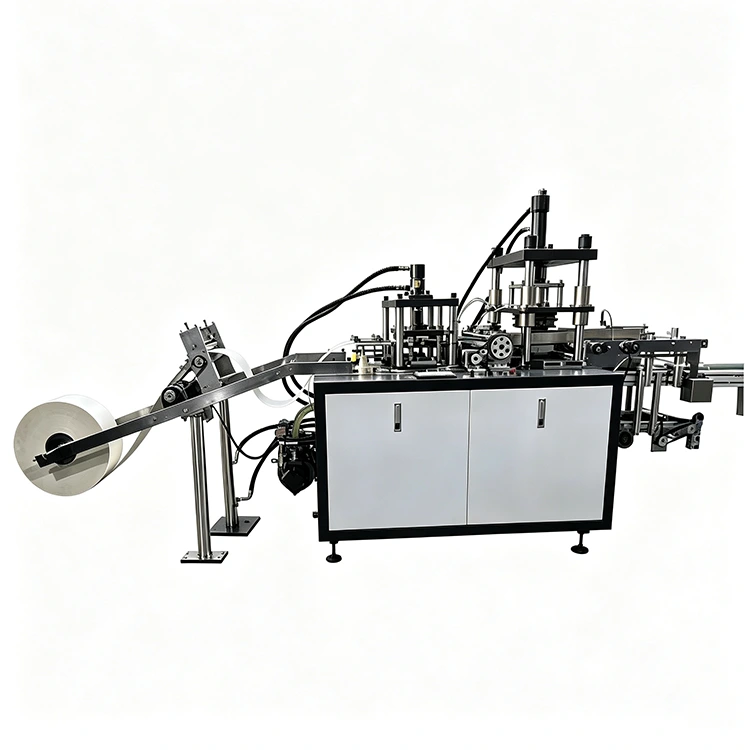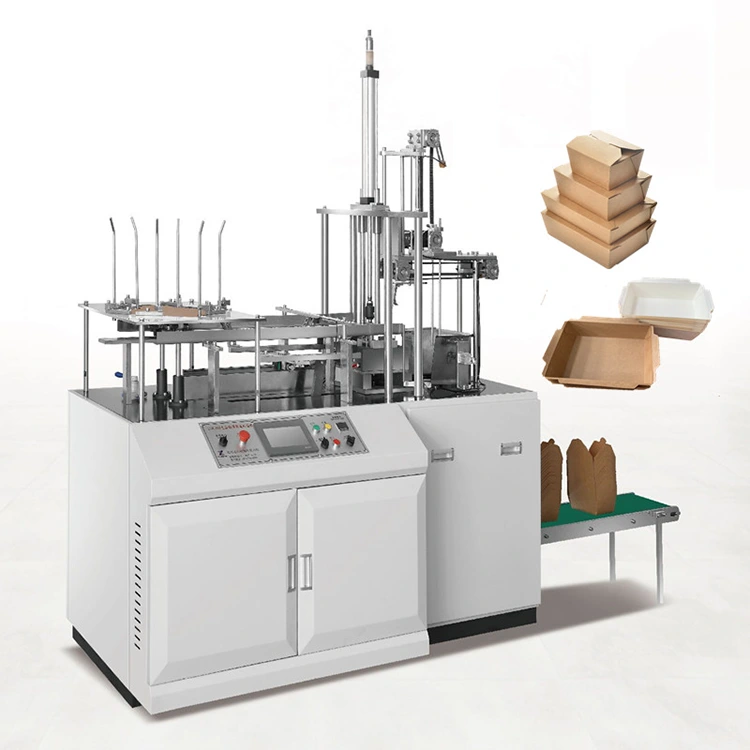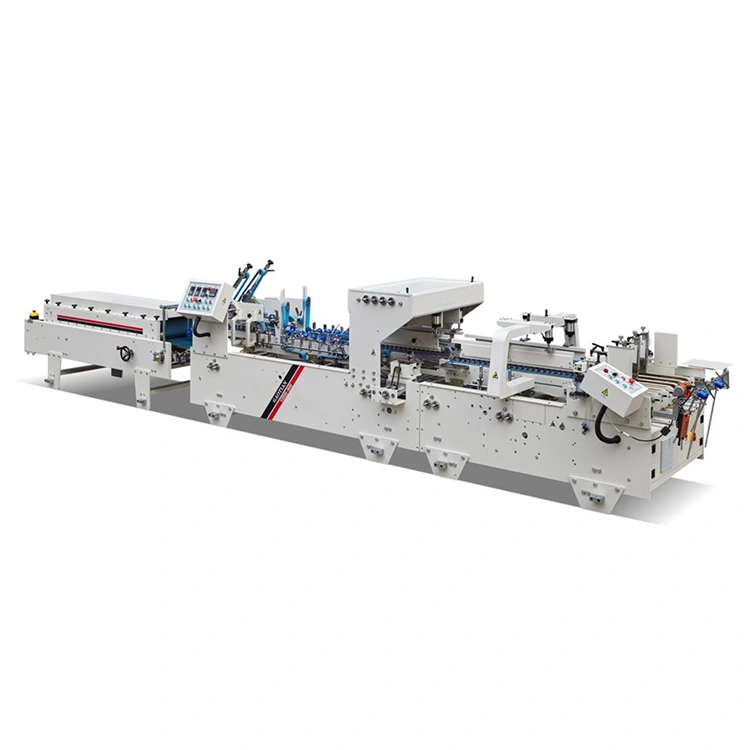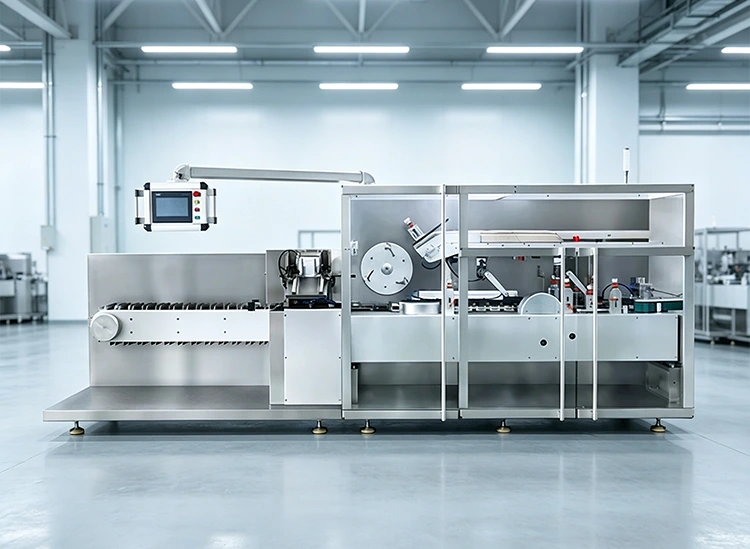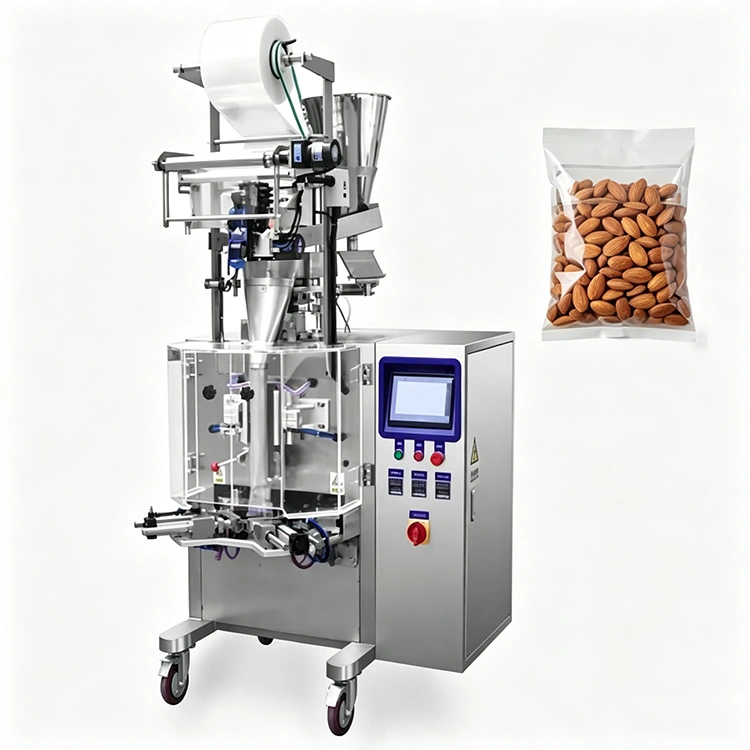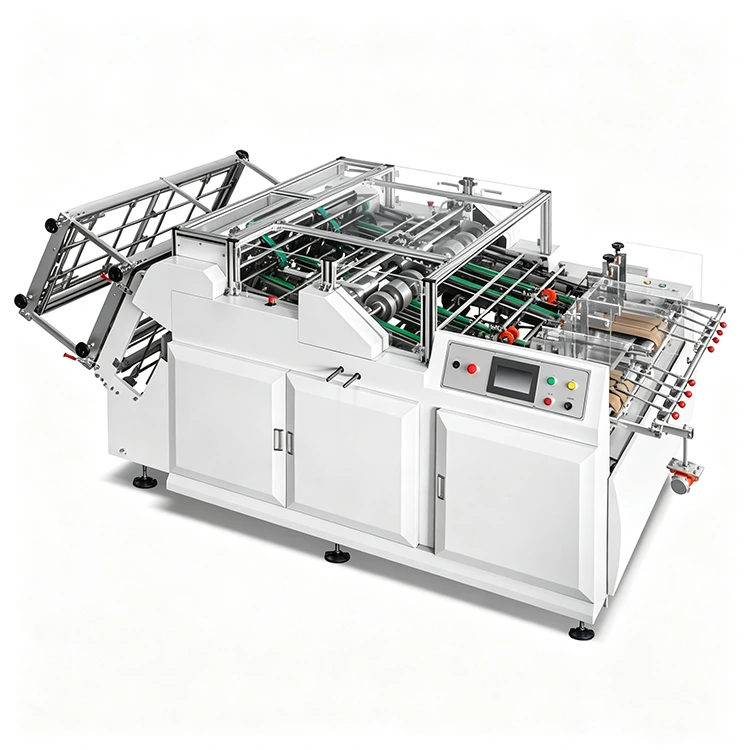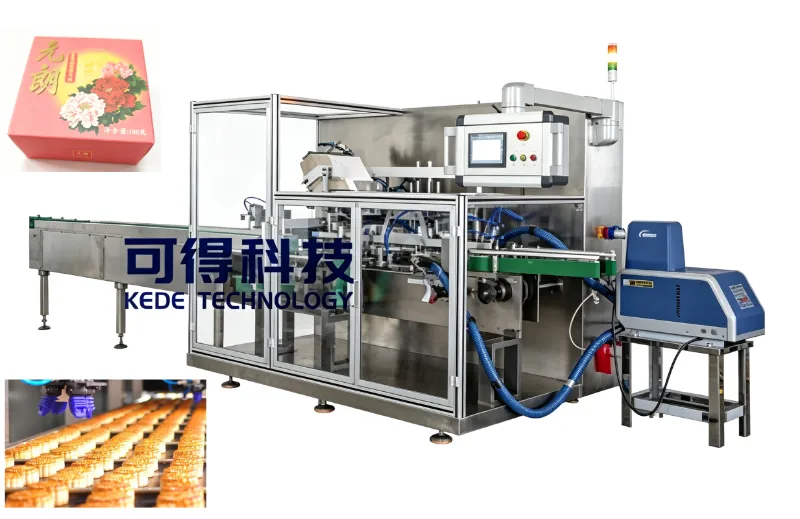

KEDE provides practical paper plate manufacturing solutions for businesses seeking reliable, high-output production equipment. An Automatic Paper Plate Making Machine helps manufacturers streamline feeding, forming, temperature control, counting, and collection to produce disposable paper plates with consistent shapes and dependable production efficiency.
An automatic paper plate making machine is designed to reduce manual intervention, improve production consistency, and support the manufacture of disposable plates in different sizes and shapes. By integrating automated paper feeding, die cutting, heated forming, and finished-product collection, manufacturers can simplify their workflow and respond more efficiently to customer demand. This guide explains the working principle, key specifications, material selection, production benefits, and purchasing considerations for businesses evaluating paper plate manufacturing equipment. It also highlights how KEDE's JNZD-D model can support production requirements through exchangeable molds, dual working stations, and automated operating functions.
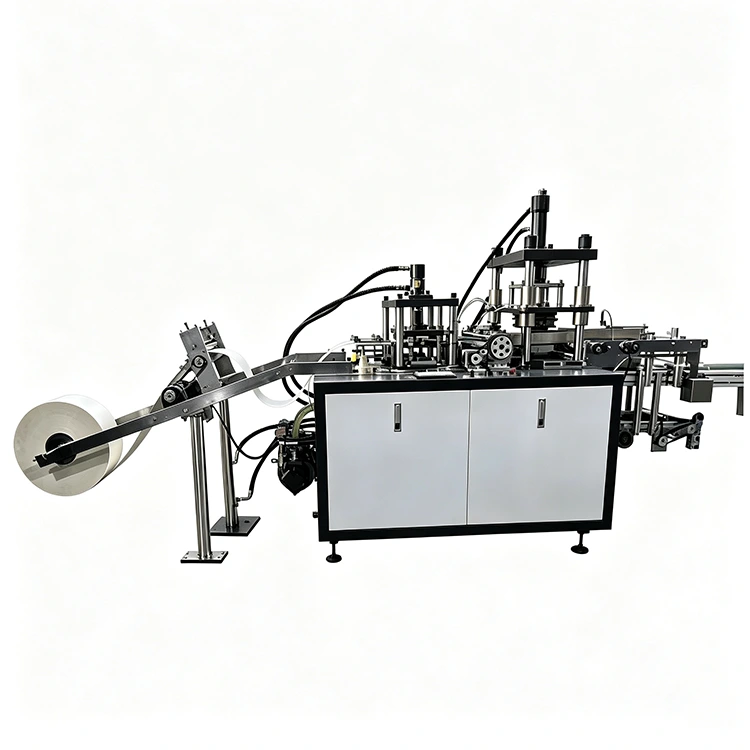
An automatic paper plate making machine is industrial equipment that converts suitable paperboard and coated paper materials into formed plates through a coordinated production process. Depending on its configuration, the equipment can integrate feeding, cutting, indentation, heating, forming, counting, and collection into one production workflow.
Compared with manual or less automated equipment, an automatic system reduces repetitive handling and helps operators maintain a more organized production process. It is particularly useful for manufacturers supplying disposable tableware to restaurants, catering companies, takeaway businesses, food-service distributors, and packaging wholesalers.
KEDE's JNZD-D automatic rolling and feeding paper plate machine is designed for manufacturing plates in different sizes and shapes. Its exchangeable molds support product changes, while its two working stations help increase output potential. Actual production performance depends on material properties, plate dimensions, mold configuration, operating conditions, and maintenance practices.
For more information about the equipment and its configuration, visit the KEDE automatic paper plate making machine product page.
Understanding the operating process helps manufacturers evaluate whether a machine fits their production requirements. Although individual configurations may differ, an automated paper plate production cycle generally involves the following stages.
The feeding system supplies paper or suitable coated paper material to the processing section. Stable feeding helps reduce misalignment and interruptions, particularly during continuous production. Material dimensions, thickness, and surface characteristics should be checked before operation.
The machine cuts the material into the required blank shape and creates the necessary forming lines. Accurate cutting and indentation help establish the plate's dimensions and facilitate consistent forming. The cutting die must match the selected plate design.
The prepared blank moves into the forming section, where controlled heating and mechanical or hydraulic action shape the paper into a plate. Temperature stability and suitable forming pressure are important for achieving consistent edges, plate depth, and structural rigidity.
After forming, the finished plate is released from the mold and transferred for collection. Automated counting and collection functions help operators monitor production quantities and organize products for subsequent inspection, packaging, and storage.
When these stages operate in coordination, manufacturers can reduce unnecessary manual handling and establish a more repeatable production process.
Not all paper plate machines provide the same level of automation or production flexibility. Buyers should compare the following features against their intended products and operating environment.
These features should be evaluated together rather than in isolation. For example, a high-speed machine may not deliver the expected usable output if its material feeding, mold setup, or finished-product collection cannot keep pace.
The following table summarizes the published specifications of KEDE's JNZD-D model. Buyers should confirm the latest configuration, utility requirements, and applicable operating conditions directly with the supplier before placing an order.
| Specification | Published Parameter | Practical Significance |
|---|---|---|
| Model | JNZD-D | Identifies the equipment configuration |
| Plate size | 5–11 inches | Supports different plate sizes with compatible exchangeable molds |
| Production speed | 60–80 pieces/minute | Published output range for the two working stations combined |
| Working stations | 2 | Provides two forming stations within the machine design |
| Suitable paper weight | 150–400 GSM | Defines the stated paper-weight range for evaluation |
| Material compatibility | Paperboard and single aluminum-foil or film-coated paper | Supports selected disposable tableware applications |
| Heating power | 4 kW | Indicates the rated heating-power specification |
| Motor power | 8.5 kW | Helps buyers assess electrical infrastructure requirements |
| Power supply | 380 V, 50 Hz | Must be checked against the factory's available electricity supply |
| Machine dimensions | 4300 × 1250 × 2000 mm | Helps determine installation space and production-line layout |
| Machine weight | Approximately 1600 kg | Relevant to transportation, floor loading, and installation planning |
| Compressed air | 0.8 MPa; approximately 1 m³/minute | Requires verification of compressor capacity and air quality |
Important: The listed production speed is a machine specification, not a guaranteed daily output. Actual throughput can vary with plate size, material, mold changes, downtime, inspection requirements, and operator experience. Ask the manufacturer to confirm whether your intended material and finished plate design can achieve the required production rate.
Paper plate manufacturing equipment serves businesses that need disposable tableware in different sizes and configurations. Typical applications include:
Material selection is equally important. The JNZD-D model lists paperboard and selected aluminum-foil or film-coated paper among its compatible materials, with a stated paper-weight range of 150–400 GSM. Compatibility should be confirmed for each material structure before production.
When evaluating raw materials, consider stiffness, coating type, forming behavior, heat resistance, moisture exposure, and the intended food-contact application. Food-contact suitability depends on the complete material construction and applicable regulations, not simply on whether the machine can process the material.
Automated feeding and controlled forming reduce dependence on repetitive manual operations. When the material, mold, temperature, and operating parameters are correctly matched, the machine can help produce plates with more consistent dimensions and appearance.
Automation can reduce the amount of direct handling required during production. Operators can focus on quality checks, replenishing materials, monitoring the equipment, and preparing finished products for packaging. The actual labor savings depend on the factory's existing process and staffing model.
Exchangeable molds make it possible to switch between supported plate designs without purchasing an entirely separate machine for every size. However, product changes still require setup time, suitable tooling, and verification of the first finished plates.
Published speed and power specifications give buyers a starting point for capacity planning. A realistic production estimate should also account for scheduled working hours, changeovers, maintenance, rejected products, material availability, and packaging capacity.
Selecting suitable equipment requires more than comparing purchase prices or advertised output. A structured evaluation helps avoid mismatches between the machine and the factory's actual requirements.
For buyers comparing an automatic paper plate making machine from a China manufacturer, these checks help establish a fair comparison between equipment models. A detailed quotation should clearly identify the included molds, auxiliary equipment, electrical configuration, shipping terms, and after-sales responsibilities.
Routine maintenance helps protect equipment availability and finished-product consistency. A practical maintenance program should follow the manufacturer's operating manual and recommended service intervals.
Before changing molds, cleaning internal mechanisms, or performing maintenance, follow the prescribed shutdown and energy-isolation procedures. Operators should never reach into moving or heated sections while the machine is running.
The published JNZD-D specification lists a production speed of 60–80 plates per minute across its two working stations. Actual output depends on the plate design, material characteristics, operating conditions, and production interruptions. Buyers should confirm expected output using their intended product specifications.
The stated plate-size range is 5–11 inches, with exchangeable molds used to accommodate supported sizes and shapes. Confirm mold availability and compatibility with your specific plate design before ordering.
The published specifications identify paperboard and single aluminum-foil or film-coated paper, with a stated paper-weight range of 150–400 GSM. Different coatings and material constructions can affect forming performance, so sample testing and supplier confirmation are recommended.
The listed configuration uses a 380 V, 50 Hz power supply, with 8.5 kW motor power and 4 kW heating power. It also specifies compressed air at 0.8 MPa and approximately 1 m³ per minute. Confirm the final utility requirements and local electrical compatibility with KEDE before installation.
Compare the total investment with expected saleable output, labor requirements, raw-material consumption, electricity and compressed-air costs, maintenance, mold expenses, and packaging costs. Use realistic production data rather than maximum rated speed alone when estimating the payback period.
Confirm the required plate specifications, compatible materials, included molds, production speed, utility requirements, machine dimensions, warranty, spare parts, installation support, delivery arrangements, and payment terms. A written technical confirmation helps reduce misunderstandings and supports smoother commissioning.
An automatic paper plate making machine can help disposable tableware manufacturers build a more organized, consistent, and scalable production process. The most suitable solution depends on plate dimensions, material compatibility, target output, available utilities, and long-term service requirements. KEDE's JNZD-D model offers a published production speed of 60–80 pieces per minute, two working stations, and exchangeable molds for supported plate sizes. Before purchasing, verify the specifications against your production needs and request technical confirmation for your intended materials and products. If you are planning a new production line or upgrading existing equipment, contact us at KEDE to discuss your paper plate specifications, production targets, and equipment requirements, and identify a suitable manufacturing solution for your business.