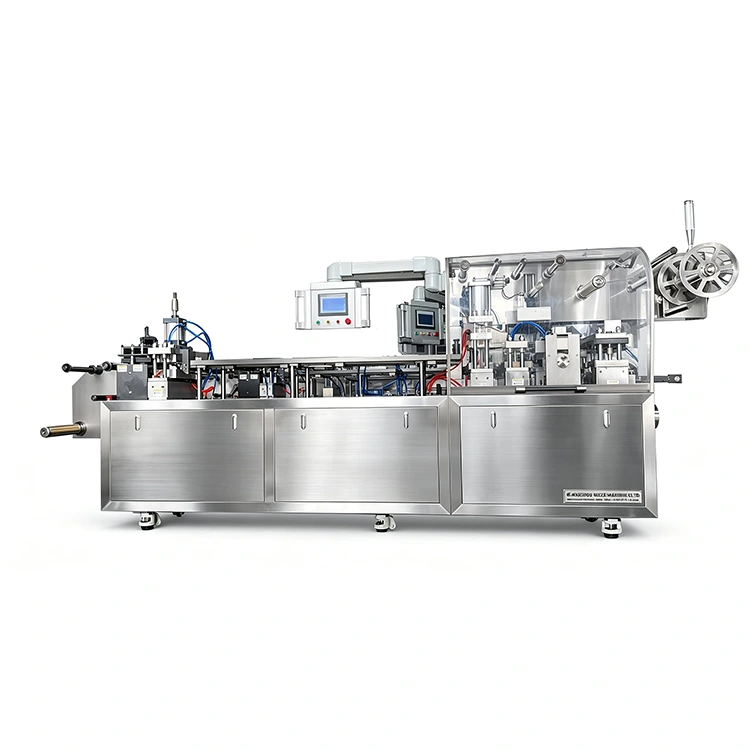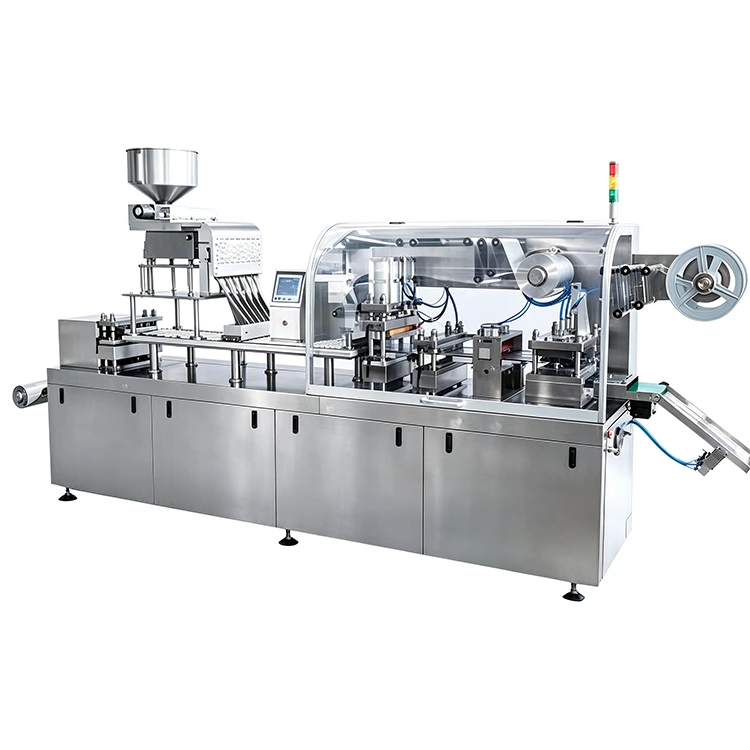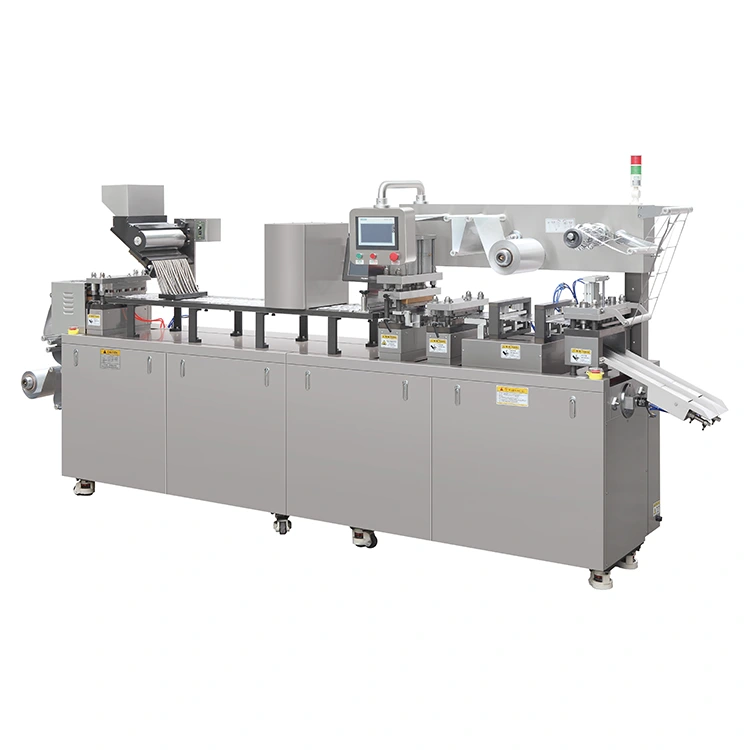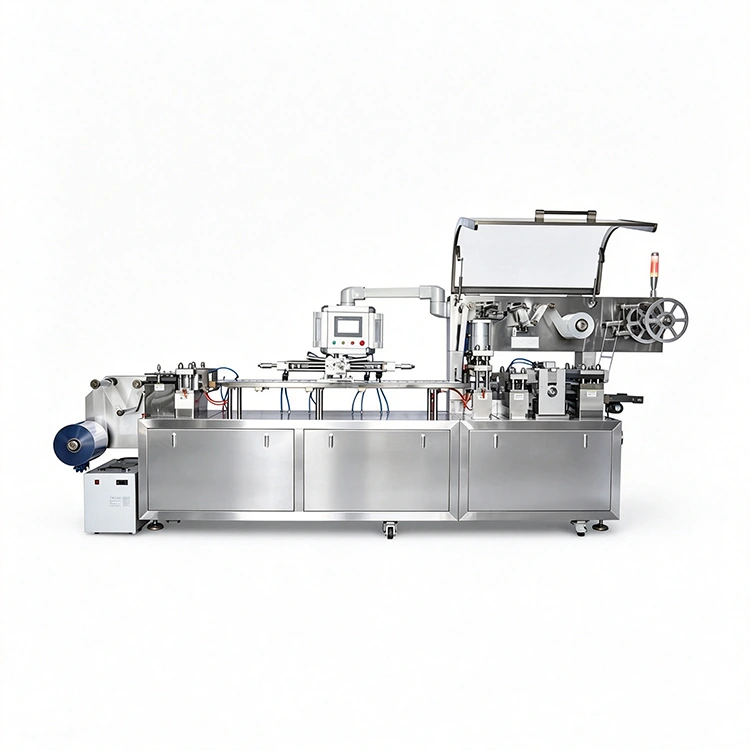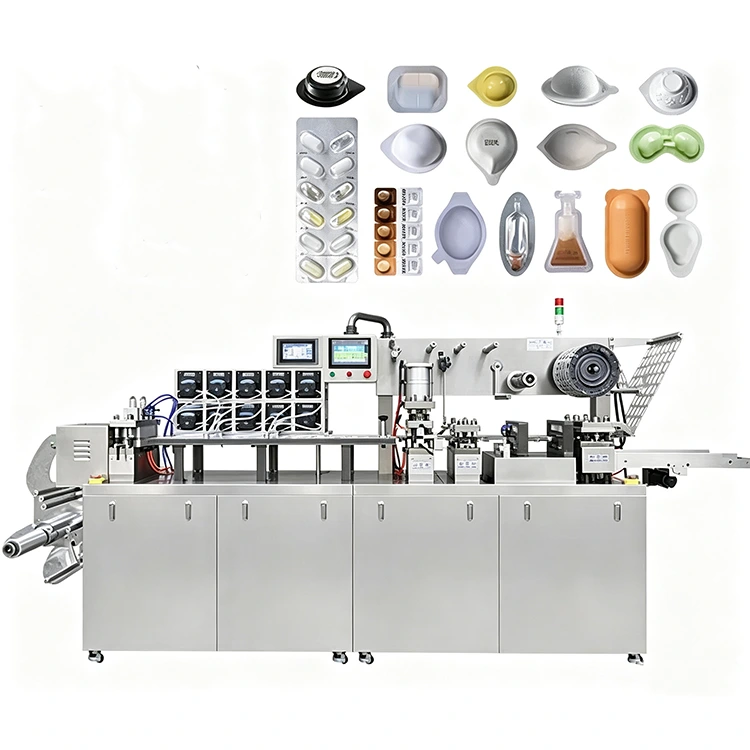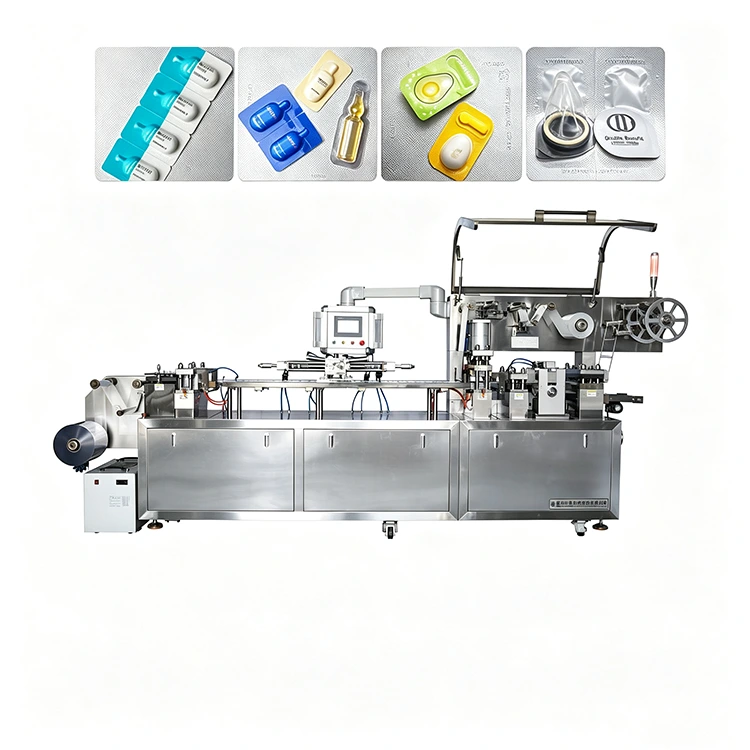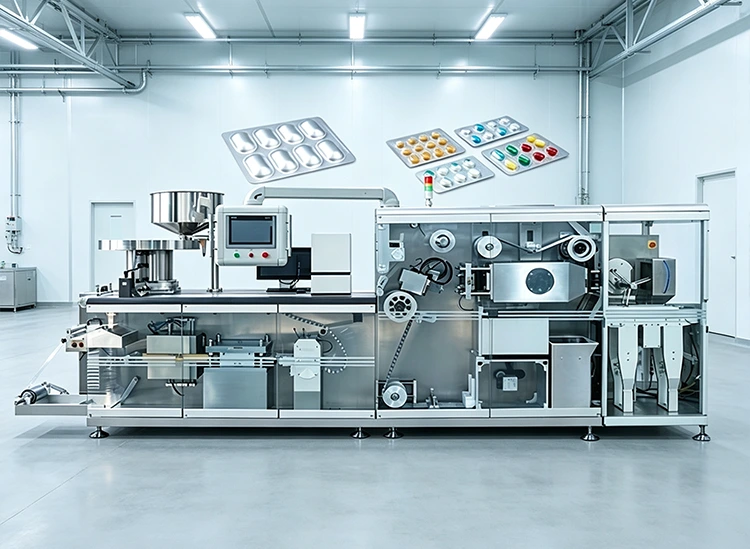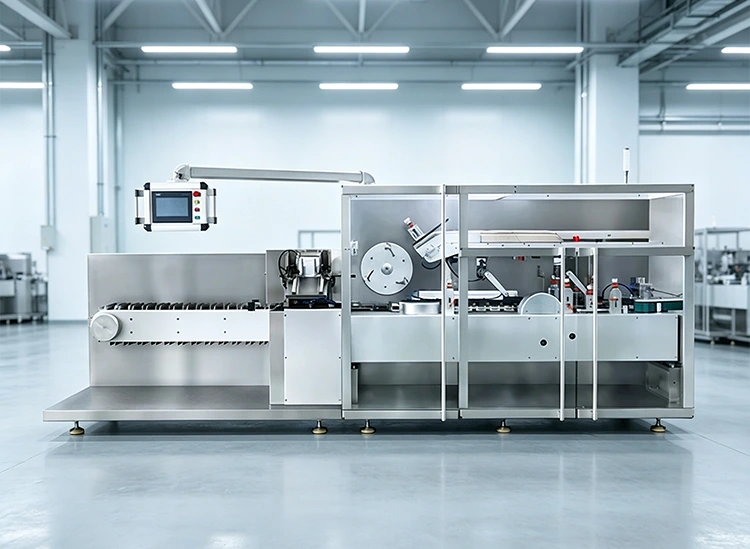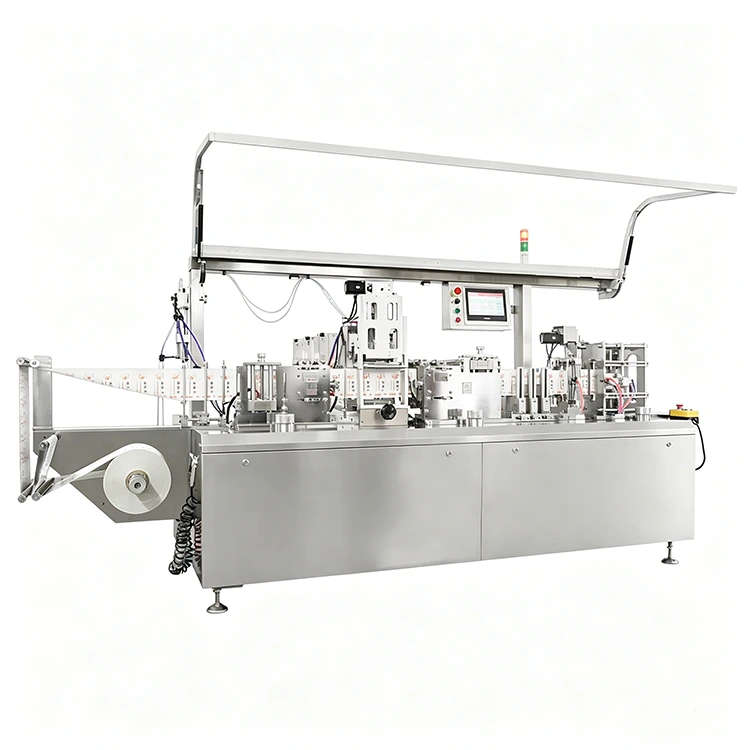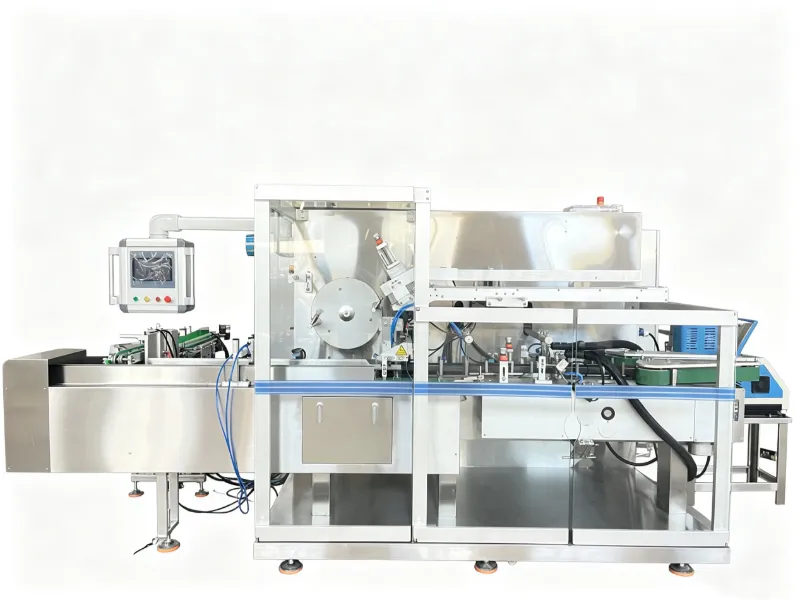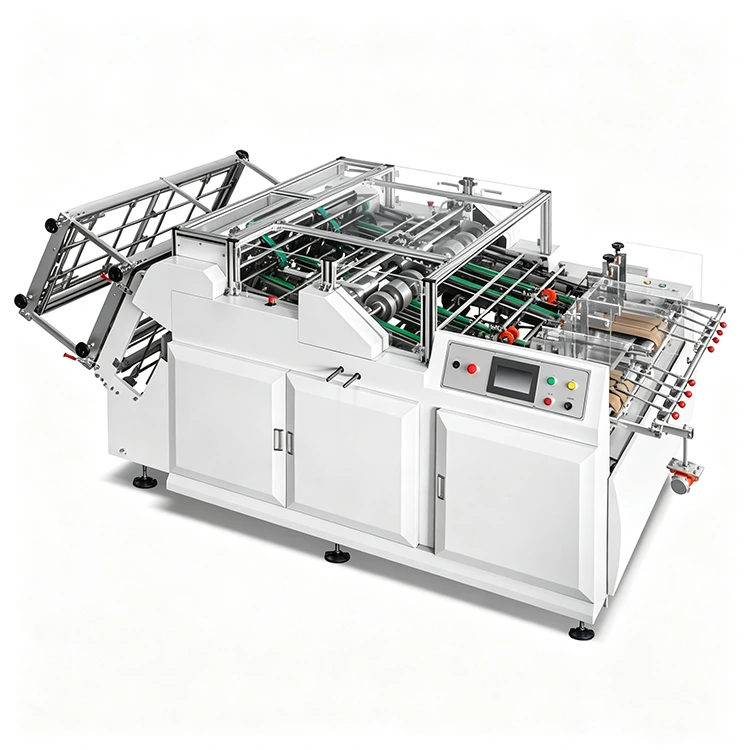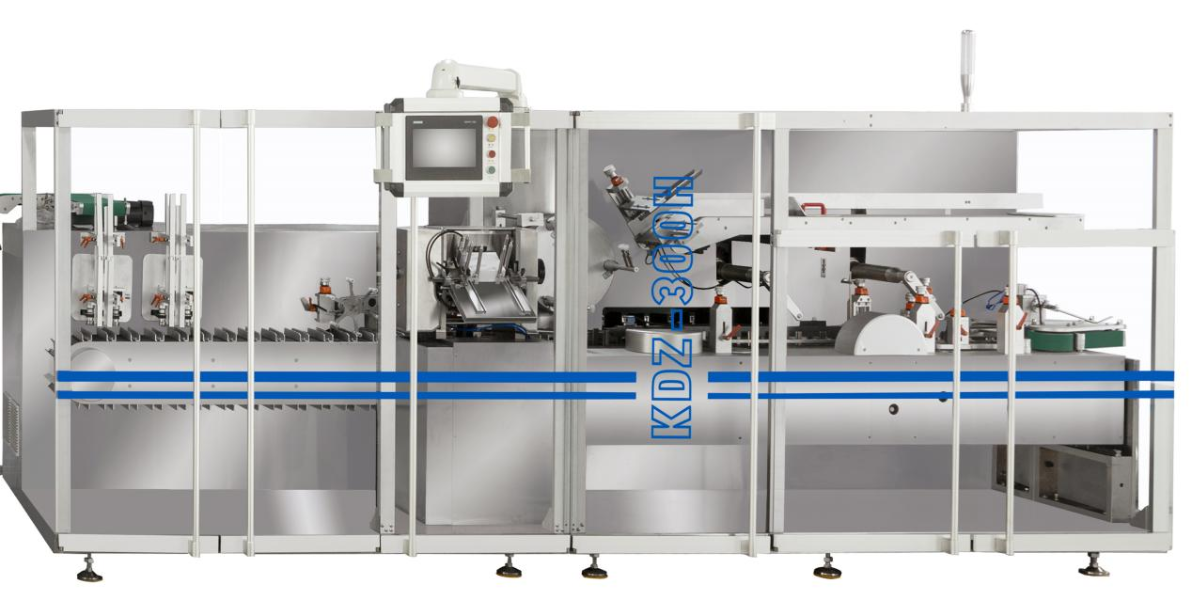

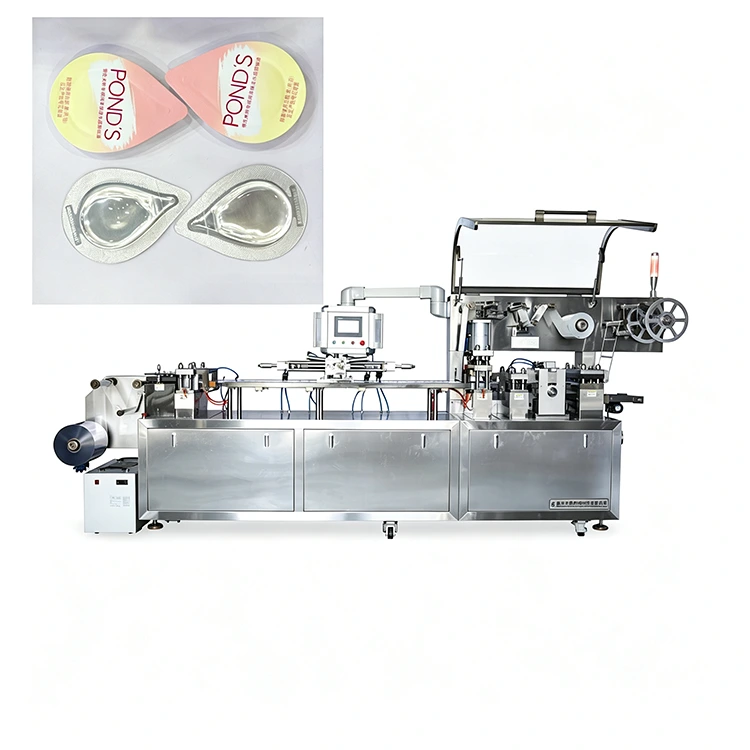
For buyers evaluating an Automatic Essence and Oil Thermoforming Blister Packing Machine, the filling and sealing process is as important as the forming capability. The DPP-260 therefore focuses on controlled dosing, clean filling, accurate sealing and stable package formation. KEDE can also test the machine with the customer's actual product and packaging material before shipment to verify the required filling and sealing performance.
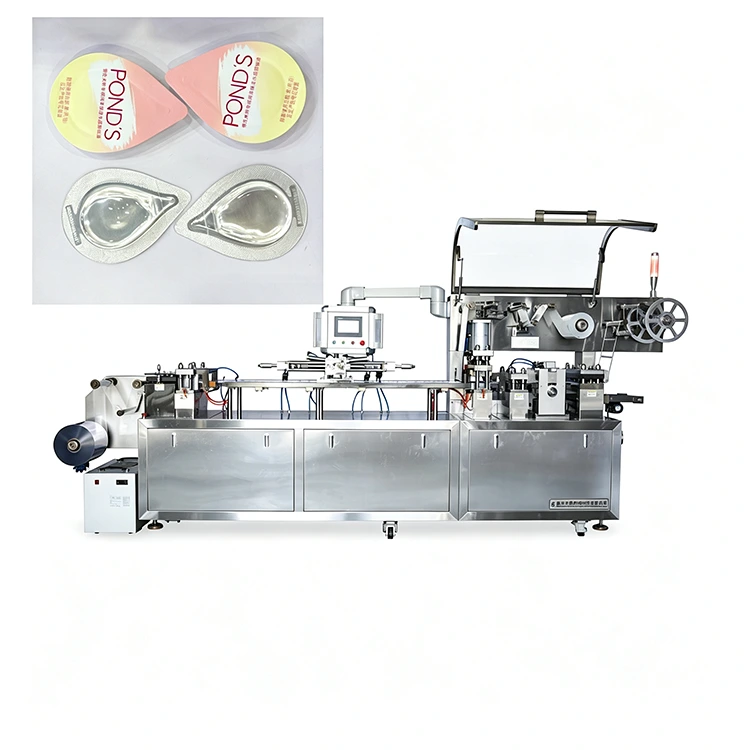
|
Technical parameter |
|
|
Model |
DPP-260 |
|
Speed |
15-25pcs/min |
|
Material |
Blister material :Width 250mm, Thick:0.15-0.5mm; Cover material:Width 250mm, Thick 0.02-0.035mm |
|
Maximum forming depth(mm) |
35mm |
|
Maximum molding area(mm2) |
240×130×35mm |
|
Power supply |
380V/ 50Hz |
|
Total Power(KW) |
10.5kW |
|
Compressed air pressure(MPa) |
0.5-0.7MPa |
|
Compressed air consumption(m3/h) |
≥ 0.22 |
|
Cooling water consumption(m3/h) |
Ordinary tap water circulation cooling. |
|
Noise(dB) |
75dB |
|
Overall dimension(L×W×Hmm) |
4200×650×1640mm |
|
Weight(kg) |
1500kg |
Oil products are not simply another liquid to be filled into a blister.
Low-viscosity oils can flow easily during filling, while certain essence and skincare oils may be sensitive to oxidation or light exposure. If the filling head leaves droplets or stringing around the cavity, the sealing area can become contaminated and affect package integrity.
The Automatic Essence and Oil Thermoforming Blister Packing Machine addresses these requirements through a combination of:
Customized filling pumps for quantitative dosing according to the product characteristics and filling volume.
Anti-drip and anti-leakage filling heads designed to reduce residual liquid and stringing after dosing.
Controlled sealing pressure to achieve a secure seal without unnecessarily crushing the formed package.
Accurate cavity formation for consistent package dimensions and filling positions.
Optional registration and coding systems for printed-film alignment and batch/date identification.
This configuration makes the machine particularly suitable for essential oils, skincare oils, active ingredient oil solutions and other small-volume oil products requiring individual formed packaging.
The machine is primarily positioned for formed packaging of oil-based and other suitable products where controlled filling and sealing are required.
|
Product Type |
Typical Packaging Consideration |
|
Essential oils |
Small-volume filling and clean sealing |
|
Base oils |
Quantitative filling according to viscosity |
|
Compound essence oils |
Customized filling system |
|
Skincare oils |
Controlled dosing and package protection |
|
High-concentration active oil solutions |
Accurate filling and sealed cavity |
|
Other suitable liquid products |
Configuration depends on viscosity and filling volume |
The final filling pump, nozzle configuration and mold should be selected according to the actual product characteristics. For a new project, KEDE recommends testing the customer's product before finalizing the machine configuration.
1. Heating plate design — We use cast-in heating elements with independent zone control. No cold spots. No hot spots. The film heats evenly across the full forming area.
2. Forming station construction — The flat mold is machined from hardened tool steel on a CNC milling center. Surface finish is ground to RA 0.8 µm. This isn't cosmetic — it directly affects how cleanly the film draws into the cavity.
3. Sealing pressure control — Pneumatic cylinders with adjustable pressure regulators. We calibrate each machine at the factory with your actual material. The seal is firm but not crushed.
4. Waste edge rewinding — Automatic scrap rewinding with tension control. No need to babysit the waste roll — it winds cleanly and doesn't drag on the main web.
5. Photoelectric registration — If you're using pre-printed foil, the machine registers the print to the cavity position automatically. No manual alignment.
6. Batch coding — Optional inkjet or embossing unit for date, lot, and expiration code printing. Integrated into the output conveyor — no second pass.
7. PLC & HMI — We use a Siemens or equivalent PLC with a color touchscreen. Faults show up as plain English text, not cryptic codes. Operator training takes half a day, not a week.
If It Fits in a Cavity, We Can Blister It.
The DPP-260 is used across these industries:
|
Industry |
Products |
Typical Cavity Depth |
|
Pharmaceuticals |
Tablets, capsules, soft gels, suppositories, ampoules, powder vials |
8–30 mm |
|
Nutraceuticals |
Vitamins, probiotics, fish oil softgels, herbal extracts |
10–25 mm |
|
Food & Confectionery |
Chewing gum, candy pieces, chocolate miniatures, tea capsules |
12–20 mm |
|
Cosmetics |
Cream samples, serum pods, lip balm sticks, single-use mask capsules |
15–35 mm |
|
Medical Devices |
Syringes, needles, bandages, surgical gloves, dental burs |
10–30 mm |
|
Consumer Goods |
Batteries, small bulbs, connector pins, jewelry components |
8–20 mm |
If you're not sure whether your product fits, send us samples. We'll run a test and send you video confirmation before you order.
When you order a DPP-260, you're not just getting a machine body. Here's what ships:
Complete machine assembly with stainless steel cladding
Forming station with flat-plate mold (one set, based on your cavity layout)
Heating plates (upper and lower)
Filling station (manual loading configuration standard)
Heat sealing station with pneumatic pressure control
Punching/cutting station with die
Waste edge rewinder with tension control
PLC control system with color touchscreen HMI
CE-compliant safety guards and interlocks
Full documentation: operation manual, parts list, electrical schematics, lubrication chart
QR code video training link (mounted on machine)
|
Option |
What It Adds |
|
Automatic product feeder |
Vibratory or counting feeder — eliminates manual filling |
|
Inkjet coder |
Date/lot/expiry printing on finished blisters |
|
Additional mold sets |
Different cavity layouts for multiple product SKUs |
|
Protective guard upgrades |
Full coverage guards for high-security production environments |
We Don't Just Assemble Machines. We Test Them With Your Products.
Step 1 – Design
3D CAD modeling and motion simulation before machining. We identify interference points before metal is cut.
Step 2 – Fabrication
Frame welded and stress-relieved. Stainless cladding laser-cut and formed. Surface finish inspected — no sharp edges, no weld spatter.
Step 3 – Precision machining
Forming molds, sealing plates, and cutting dies are CNC-machined and surface-ground to tolerance.
Step 4 – Assembly
Mechanical sub-assemblies built, then electrical cabinet wired and tested off-machine. Pneumatic system leak-tested.
Step 5 – Factory test
Dry run (no material), then material run with standard test foil, then your actual products. We adjust heating, sealing pressure, and forming temperature to your specific material. The machine doesn't ship until it runs your product without rejects.
Step 6 – Cleaning and crating
Machine cleaned, protective film applied to stainless surfaces. Export wooden crate with VCI rust protection and internal bracing. Shipping documents prepared — certificate of origin, CE declaration, commercial invoice, packing list.
Address
NO.235, Zhaqiao Road, Kunyang Town, Pingyang County, Wenzhou City, Zhejiang Province, China
Tel